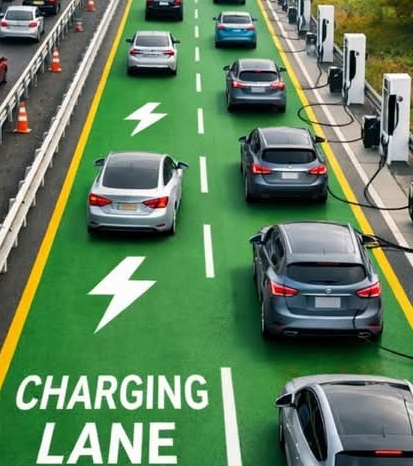
Charging While Driving: Sweden Scales Up Electric Road Trials into Permanent Infrastructure

Sweden is moving ahead with plans for what is being described as the world’s first permanent electrified road, a transport innovation that would allow electric vehicles (EVs) to charge while driving.

The concept involves embedding conductive rails or charging infrastructure directly into the road surface. Specially equipped vehicles can automatically connect to the system while in motion, drawing electricity in real time. This dynamic charging approach is designed to tackle one of the biggest concerns surrounding EV adoption — range anxiety — while also reducing the need for large, heavy onboard batteries.

Sweden has already tested pilot electric road segments in different parts of the country. Those trials demonstrated that power can be safely transferred to moving vehicles through either conductive rails built into the asphalt or overhead electric lines for trucks. The new initiative aims to scale up the technology into a permanent national transport corridor, potentially transforming how long-distance road travel is powered.
If successful, electrified highways could significantly lower EV costs. Smaller batteries would reduce vehicle weight and production expenses, while continuous charging along major routes would make long-haul electric transport more practical. This could be particularly impactful for freight and logistics operations transitioning away from fossil fuels.
However, major challenges remain. Installation costs for nationwide electrified infrastructure are substantial, and widespread vehicle compatibility would require coordinated industry standards. Long-term maintenance, weather durability, and safety considerations must also be addressed.
Despite these hurdles, Sweden’s electrified road project represents a bold step toward integrating transportation and energy systems more closely — and could reshape the future of sustainable mobility if proven viable at scale.