Odinkalu Knocks PDP, ADC, Says Opposition Failed to Challenge APC in FCT

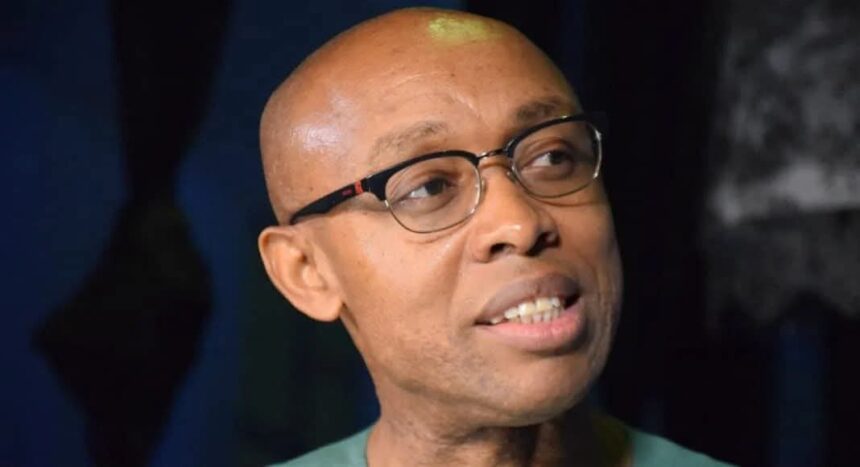
Former Chairman of the National Human Rights Commission (NHRC), Professor Chidi Odinkalu, has delivered a blistering critique of Nigeria’s opposition political parties, describing them as ineffective, disorganized, and an “utter disgrace” following the recently concluded Federal Capital Territory (FCT) Area Council elections.

Speaking in interviews and public commentary on Monday, Odinkalu said the country currently lacks a credible opposition capable of holding the ruling All Progressives Congress (APC) accountable.
The February 21, 2026, FCT Area Council polls saw the APC secure five out of six chairmanship seats amid low voter turnout and reported controversies.

Odinkalu faulted opposition parties for failing to seize what he described as a major political opportunity in the build-up to the election. He specifically referenced FCT Minister Nyesom Wike’s declaration of a public holiday on the eve of the polls — a move critics argued was disruptive.
“Nyesom Wike wakes up on Thursday night after people have started retiring to declare a public holiday,” Odinkalu said. “If I were a member of a political party, and I were a leader of a political party, I would call a rally on Friday. That was a fantastic opportunity for opposition leadership to prove itself.”
According to him, a proactive opposition would have mobilized supporters and organized a rally the following day to challenge the decision and energize its base. Instead, he alleged, opposition leaders failed to respond decisively.
He mentioned parties such as the African Democratic Congress (ADC) and questioned the internal coherence of the Peoples Democratic Party (PDP), suggesting the party had been fractured by internal divisions. Odinkalu described what he called an “APC faction of PDP,” arguing that opposition forces were not serious about presenting an alternative.
“I think the opposition forces are an utter disgrace. And I say that with no apologies to anybody,” he said. “It’s difficult to speak to the ineptitude of political opposition in Nigeria. They are not serious. And I think anybody who looks at the system has got to say that, at the moment, there is absolutely no opposition.”
The human rights advocate also expressed concern over reports of alleged electoral malpractices, including violence and result manipulation. He questioned why the ruling party would still resort to such measures if, in his view, there is no formidable opposition to challenge its dominance.
His remarks have since sparked fresh debate over the state of Nigeria’s opposition politics and the broader health of the country’s democratic system.