Voter Apathy: INEC Commissioner Expresses Surprise Over Blame for Low Turnout in FCT Area Council Elections
A National Commissioner of the (INEC), , has expressed surprise that the commission is being blamed for the low voter turnout recorded in the recently concluded Federal Capital Territory (FCT) Area Council elections.

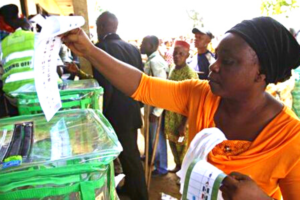
The elections, held on Saturday, February 21, 2026, across the six Area Councils of the FCT, witnessed significantly reduced participation, with reports indicating that turnout in some polling units dropped to single-digit percentages. The exercise, however, saw the ruling All Progressives Congress (APC) clinch five of the six chairmanship seats.

Speaking during an interview on Trust TV on Monday, Haruna addressed mounting criticisms directed at INEC over the widespread voter apathy.
“While voter turnout is a critical concern, attributing blame solely to INEC is misdirected,” he said. “INEC’s primary role is civic education — informing citizens on how to vote and ensuring that the process is conducted in line with the law.”

Haruna stated that he was particularly astonished by the narrative placing responsibility for voter mobilisation on the electoral body.
“I’m surprised that INEC is blamed for low turnout. Although we encourage participation, the responsibility for mobilising voters ultimately rests with political parties,” he added.
According to him, political parties, with memberships often running into hundreds of thousands or even millions, are better positioned to galvanise supporters and drive participation during elections. He stressed that INEC’s mandate does not permit it to campaign for or promote any candidate or political party.
The commissioner further disclosed that the commission undertook comprehensive voter education and sensitisation efforts ahead of the elections to boost awareness and participation.
The low turnout has since sparked broader national debate. Some observers and opposition figures, including former Vice President , have attributed the apathy to declining public trust in the electoral process, concerns surrounding the Electoral Act 2026, and perceived gaps in transparency.
Despite the low participation figures, INEC officials described the elections as largely peaceful and orderly in most polling units across the FCT.
Political analysts say the development raises fresh questions about citizen engagement in grassroots elections and the role of political parties in rebuilding voter confidence ahead of future polls.