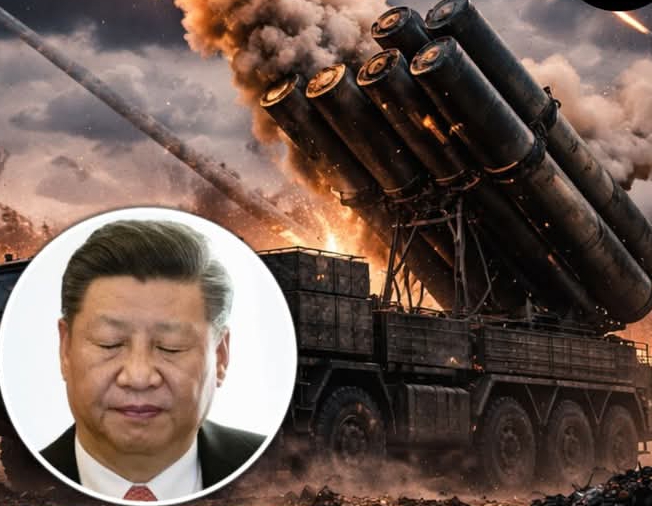
Chinese-made Missile Air Defence Systems Failure to Protect Iran Raised about China’s Military products
The recent strikes on Iran, which reportedly neutralised the HQ-9B air defence system, send a strong signal to countries that have purchased or were considering Chinese-made missile defences: these systems may not reliably stop advanced, coordinated attacks from high-end militaries like the U.S. and Israel.

Several implications arise:

- Operational Reliability Questions – The HQ-9B’s inability to intercept incoming strikes despite its reputation as China’s most advanced exported system highlights potential gaps in real-world performance, especially against stealth aircraft, electronic warfare, and precision-guided munitions. Countries that invested in it may now question whether it can defend key strategic assets.
- Strategic Calculations – Nations relying on imported systems like the HQ-9B may reconsider their defence strategies. They could explore multi-layered solutions, diversify suppliers, or invest in domestic technologies to reduce dependence on a single foreign platform.
- Reputational Impact for China – Beyond the technical questions, there’s a political and economic dimension. If clients perceive Chinese systems as vulnerable, it could hurt future defence export contracts and diplomatic influence in regions where Beijing is competing with U.S., Russian, or European defence offerings.
- Shift in Regional Defence Dynamics – Countries in the Middle East, South Asia, and Africa that bought Chinese systems may reassess their deterrence posture, potentially prompting arms upgrades or reconsideration of alliances.
In short, the event raises serious questions about the real-world effectiveness of exported Chinese air defence systems and may push buyers to rethink both procurement and broader security strategies.