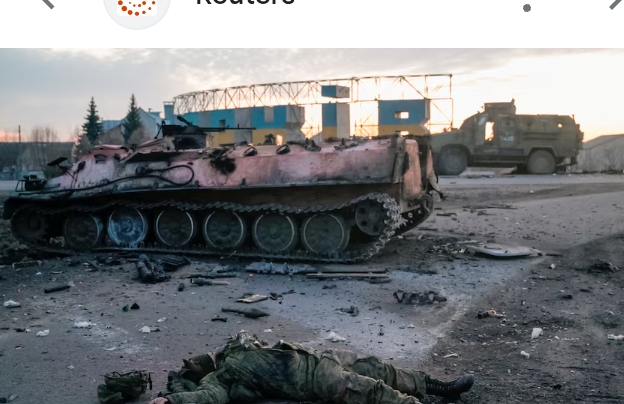
Four Years On, War Enters New Phase as Ukraine Strikes Deep Inside Russia
After more than four years of conflict, the war between Russia and Ukraine is evolving beyond front-line trench warfare into a campaign defined by long-range precision strikes and economic disruption.

In recent weeks, Ukrainian forces have expanded drone operations deep into Russian territory, targeting strategic infrastructure in regions surrounding St. Petersburg and the wider Leningrad Oblast.

One of the most significant incidents occurred in early May 2026, when dozens of drones reportedly struck the Port of Primorsk, a key export hub on the Baltic Sea. The attack triggered fires at a vessel and a pumping facility, temporarily disrupting crude oil shipments. The port, along with nearby Ust-Luga, handles a substantial share of Russia’s seaborne oil exports, making it a high-value target in what analysts increasingly describe as economic warfare.
The effects extended beyond energy infrastructure. Repeated drone alerts forced temporary shutdowns at Pulkovo Airport, grounding flights and highlighting the growing reach of the conflict into Russia’s civilian and commercial zones.

Shift in Strategy
Military observers say Ukraine’s approach has shifted since early 2026 toward deeper “operational strikes” aimed at logistics, industrial capacity, and air defense systems far from the front lines. Targets have reportedly included areas near Gatchina and industrial districts such as Kirishi, suggesting an effort to stretch Russian defenses and disrupt supply chains.
Ukrainian officials have not publicly detailed all operations, but they have consistently framed such strikes as necessary to weaken Russia’s war-fighting capability beyond the battlefield.
Western Support and Debate Over ‘Proxy War’ Narrative
Ukraine continues to receive military and intelligence support from Western allies, including the North Atlantic Treaty Organization and members of the European Union. This support includes surveillance data, training, and weapons systems.
However, characterizations of the war as a direct “proxy conflict” between Russia and the West remain disputed. Western governments maintain they are supporting Ukraine’s defense, not engaging in direct combat operations against Russia.
Escalation Risks and Strategic Restraint
Despite the increasing reach of Ukrainian strikes, Russia has so far avoided direct military action against NATO member states such as Poland or the United Kingdom.
Analysts point to the deterrent effect of NATO’s collective defense clause—Article 5—which could draw the United States and other allies into a broader conflict if a member state were attacked.
Russian President Vladimir Putin faces growing domestic pressure from hardline voices calling for stronger retaliation. However, any strike beyond Ukraine’s borders risks significantly widening the war.
A War of Endurance
As the conflict grinds on, neither side has achieved a decisive breakthrough. Instead, the war has become a test of endurance—military, economic, and political.
Ukraine’s expanding strike capability underscores a broader shift: the battlefield is no longer confined to trenches and front lines. It now includes energy infrastructure, airspace, and economic lifelines deep inside Russian territory.
Four years in, the conflict is no longer just about territorial control—it is increasingly about cost, pressure, and sustainability.