“We Can Continue to fight and Sustain Six‑Month War Against U.S. and Israel, New Missiles “Unused” — IRGC

Iran’s Islamic Revolutionary Guard Corps (IRGC) has publicly declared that Tehran is prepared to sustain an intense military conflict with the United States and Israel for at least six months, as the broader Middle East war enters a critical phase.

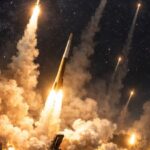
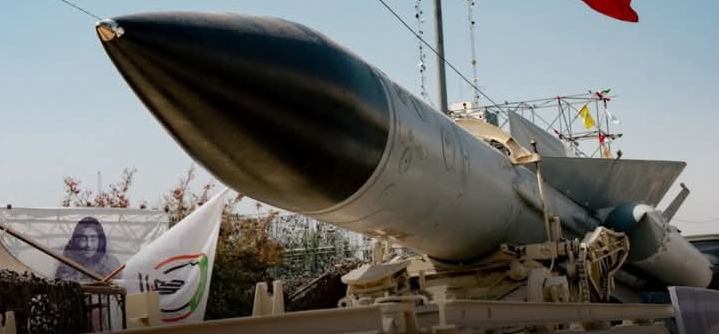
In a televised statement, IRGC spokesperson Brigadier General Ali Mohammad Naeini said Iranian forces still possess a large portion of their more advanced missiles and drones that have not yet been fully used in combat, underscoring Tehran’s belief that it has untapped military capacity.

Naeini also claimed that more than 200 strategic locations, including bases and facilities linked to U.S. and Israeli forces, have already been targeted during the conflict, and he framed the ongoing war as a response to what Iran views as external aggression.
Broader War Background: How the U.S.–Israel–Iran Conflict Escalated
The current war began on 28 February 2026, when the United States and Israel launched large‑scale airstrikes on Iran aimed at degrading Tehran’s missile and military infrastructure, and explicitly targeting high‑level leadership. The assault killed Iran’s Supreme Leader Ali Khamenei and several senior commanders, triggering a full‑blown military confrontation.
The strikes — described as joint military operations — hit cities including Tehran, Isfahan, Qom, Karaj, and Kermanshah, causing widespread damage to both military and civilian infrastructure. Civilian casualties included students, families, and noncombatants, prompting criticism of the campaign’s human toll.
In response, Iran unleashed hundreds of missiles and drones targeting U.S. bases and Israeli territory, including allied Gulf states. These attacks expanded the scope of the conflict across the wider Middle East, disrupting energy routes and regional stability.
Current Phase: Escalation and Regional Impact
Iranian Retaliation: Following the U.S.–Israeli strikes, Iranian forces have launched sustained missile and drone barrages toward U.S. military installations and Israeli targets, including sites in Bahrain, the Gulf and neighbouring regions.
U.S. & Israeli Strategy:
The United States has signalled no intention of immediate de‑escalation, with President Trump warning against concessions and reinforcing support for allied actions.
International Responses:
Some European nations have condemned the strikes as violations of international law, while others back the military campaign — reflecting deep global division over the conflict.
Regional Tensions:
The fighting has intensified on multiple fronts, including Lebanon and the Gulf, with Hezbollah and other Iran‑aligned groups engaging in operations against Israeli forces.
What the IRGC Statement Means for the War’s Future
Analysts say Iran’s declaration of *six months’ readiness * is not just a military assessment but also a strategic psychological message aimed at both domestic and international audiences. By asserting extended capability, Tehran signals resilience despite sustained bombardment and external pressure.
Whether these claims translate into extended battlefield endurance or a diplomatic posture to reshape negotiations remains a key question as allies and adversaries alike weigh the war’s longer‑term implications.