

Newsmediang Editorial

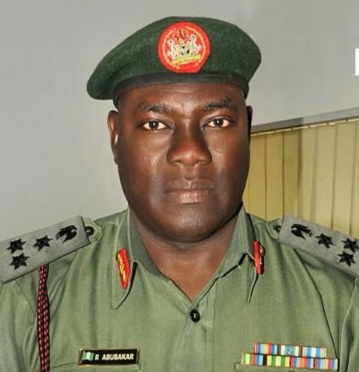
The reported death of retired Major General Rabe Abubakar in captivity should shake Nigeria to its core. It is not merely another statistic in the country’s growing catalogue of kidnappings and violent crimes. It is a painful national statement — one that exposes the frightening reality that insecurity has become an equal-opportunity threat, sparing neither the powerful nor the ordinary citizen.
General Rabe was not an obscure figure. As a former Director of Defence Information, he dedicated years of his life to serving the nation and helping shape its security communications architecture. He wore the uniform, defended the country, and represented the institution charged with protecting Nigerians. Yet, in retirement, he reportedly found himself at the mercy of armed criminals who abducted him and held him captive until his death.
If Nigeria could happen to General Rabe, it can happen to anyone.
For years, Nigerians have listened to promises of improved security. They have heard declarations that bandits are being defeated, kidnappers are being neutralised, and criminal networks are being dismantled. Yet the reality confronting citizens across the country tells a different story. Communities remain vulnerable. Roads remain dangerous. Families continue to live in fear of abduction, extortion, and violent attacks.
The tragedy of General Rabe’s death is not simply that a retired military officer lost his life. The tragedy is what his death represents. It is a symbol of a nation where insecurity has become normalised and where citizens increasingly question whether the state can guarantee their safety.
When teachers are kidnapped, the nation mourns. When farmers are abducted, the nation sympathises. When students are taken from their classrooms, the nation expresses outrage. Now, a retired General has reportedly died in captivity. The question Nigerians are asking is unavoidable: if someone with General Rabe’s background and connections could not be protected, who can?
This is not an attack on the brave men and women of the armed forces and security agencies who continue to risk their lives daily. Many of them operate under difficult conditions and have made enormous sacrifices. However, the effectiveness of any security system must ultimately be judged by outcomes. Citizens measure security not by official statements but by whether they can sleep peacefully, travel safely, and live without fear.
Nigeria’s insecurity crisis has evolved beyond a law-enforcement challenge. It is now a governance challenge, an economic challenge, and a humanitarian challenge. Every kidnapping erodes public confidence. Every ransom payment strengthens criminal enterprises. Every death in captivity deepens the perception that the state is losing control over parts of its territory.
The death of General Rabe should not become another fleeting headline. It should be a moment of national reflection and urgent action. Government at all levels must move beyond rhetoric and demonstrate measurable progress in intelligence gathering, rapid response operations, border security, and the protection of vulnerable communities.
More importantly, leaders must recognise that citizens are growing weary of assurances. What Nigerians seek are results.
General Rabe served his country. In the end, his reported death in captivity became a tragic reminder of the insecurity threatening millions of Nigerians every day.
His death leaves behind a haunting question that government must answer, not with words but with action:
Nigeria happened to General Rabe. Who is next?