Political Turmoil: UK Set to Get Seventh Prime Minister in 10 Years
The United Kingdom is on the verge of appointing its seventh prime minister in just a decade following the resignation of Prime Minister Keir Starmer, underscoring a period of unprecedented political instability that has gripped British politics since the 2016 Brexit referendum.

Starmer announced on Monday that he would step down as Labour Party leader and prime minister after less than two years in office, paving the way for a leadership transition expected to be completed in the coming weeks.

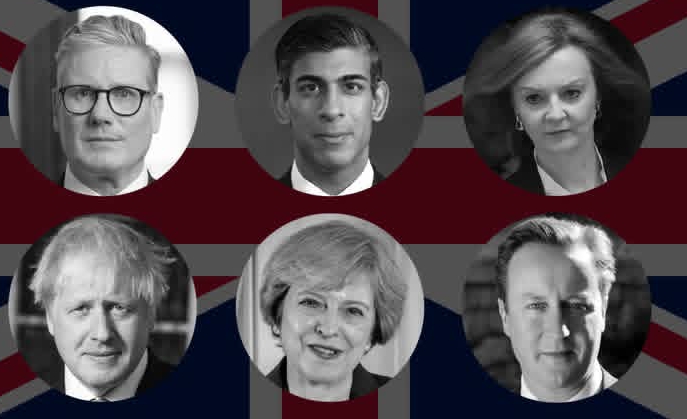
Britain’s political turbulence began when former Prime Minister David Cameron resigned after the Brexit vote in 2016. He was succeeded by Theresa May, whose struggles to secure parliamentary approval for Brexit led to her departure. She was followed by Boris Johnson, who delivered Brexit but later resigned amid a series of scandals.
After Johnson came Liz Truss, whose brief tenure lasted only weeks before economic turmoil forced her exit. Rishi Sunak then took office in 2022, promising stability, before Labour’s landslide victory brought Starmer to power in 2024.

With Starmer’s resignation, former Greater Manchester mayor and newly elected MP Andy Burnham has emerged as the leading contender to take over, potentially becoming Britain’s seventh prime minister since the Brexit era began.
Political analysts say the rapid turnover reflects deep divisions over Brexit, economic challenges, rising voter dissatisfaction, and the growing influence of insurgent political movements, leaving the UK facing one of the most volatile periods in its modern political history.
UK Prime Ministers Since 2016:
- David Cameron (2010–2016)
- Theresa May (2016–2019)
- Boris Johnson (2019–2022)
- Liz Truss (2022)
- Rishi Sunak (2022–2024)
- Keir Starmer (2024–2026)
- Potentially Andy Burnham (2026– )