Orette Blames Nigeria’s Crises on Collapse of Civic Consciousness, Rebukes Ex-Governors Seeking Medical Care Abroad


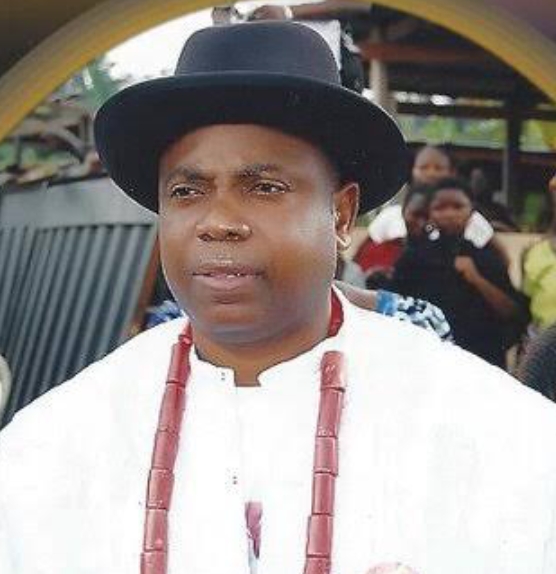
Nigeria Democratic Congress (NDC) Delta South Senatorial Candidate, Austin Orette, has attributed Nigeria’s persistent governance challenges to the collapse of civic consciousness and weak citizen participation, arguing that corruption is merely a symptom of a deeper national problem.

In a statement issued on Tuesday from Owhelogbo in Isoko North Local Government Area of Delta State, the Nigerian-American medical doctor and entrepreneur urged Nigerians to become active stakeholders in governance rather than passive observers.
According to him, democracy can only flourish when citizens understand their constitutional responsibilities and actively hold elected officials accountable at every level of government.
“For decades, Nigerians have been told that corruption is the nation’s greatest enemy. While corruption has undoubtedly weakened our institutions, I contend that it is only a symptom of a much deeper national crisis: the collapse of civic consciousness and citizen participation in governance,” Orette stated.
He called on the Federal Government to intensify efforts to tackle corruption while fostering civic education, critical thinking and greater public engagement in governance.
“The Nigeria we seek will emerge when citizens stop behaving like spectators and begin to act like stakeholders. Only then will corruption diminish, institutions become stronger, and leadership become truly accountable,” he said.
Orette lamented that many Nigerians remain unaware of the roles played by their local government officials and state legislators, despite these officials making decisions that directly affect their daily lives.
“Millions of Nigerians know the name of the President but have little or no idea who represents them in their Local Government Council or the State House of Assembly. Local governments receive monthly allocations from Abuja, yet very few citizens ask how those funds are spent,” he noted.
He further criticised what he described as the growing culture of personality politics, where politicians are celebrated instead of being assessed based on competence and performance.
“Leadership has been reduced to personality worship. Rather than demanding competence, accountability and measurable development, many people judge leaders through ethnicity, religion and political loyalty,” he said.
The NDC chieftain also warned against excessive religiosity that discourages civic responsibility.
“Faith is important, but faith should never replace responsible citizenship. A society cannot pray away problems that require informed governance, sound policies and active citizen participation,” he added.
Speaking on insecurity, Orette described the current situation as evidence of governance failure, saying law-abiding citizens now structure their lives around fear while criminals operate with increasing boldness.
He also faulted many state governments for prioritising prestige projects over investments capable of delivering sustainable economic growth, including electricity, infrastructure and healthcare.
In a veiled criticism of former governors seeking public office again, Orette condemned public officials who travel abroad for medical treatment after spending years in office without building functional healthcare systems at home.
“Perhaps nothing illustrates our leadership crisis more than public officials who seek medical treatment abroad after spending years in office without building functional healthcare systems at home. When leaders refuse to trust the institutions they supervised, they expose the failure of their own stewardship,” he said.
He maintained that citizens must also accept responsibility for the quality of leadership they elect, stressing that democracy thrives on informed participation rather than blind loyalty.
“The fault, however, does not lie with leaders alone. Citizens who abandon their democratic responsibilities inevitably empower poor leadership. Nigeria will change only when Nigerians understand that sovereignty ultimately belongs to the people. The future of our nation depends not only on electing better leaders but also on becoming better citizens,” Orette concluded.