BREAKING: Fuel Price Hike Sparks Nationwide Protests Across Syria
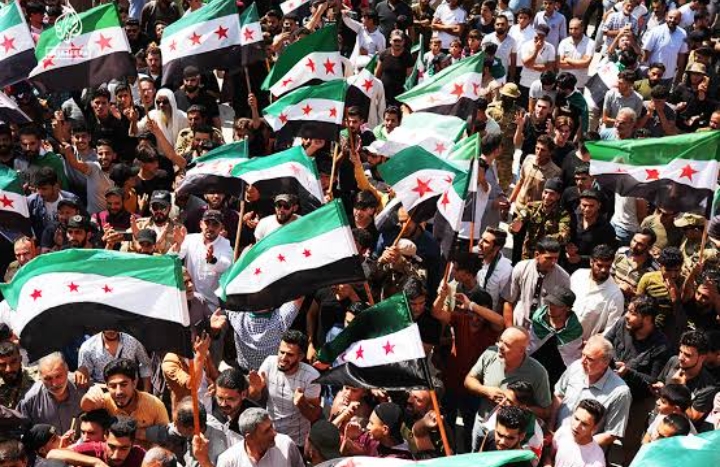
Protests have erupted across several parts of Syria following sharp increases in fuel prices, with angry demonstrators blocking roads and demanding an immediate reversal of the hikes.
The protests, reported in several cities and provinces, mark one of the most significant waves of public anger since the fall of former President Bashar al-Assad in December 2024.

The unrest was triggered by the government’s decision to increase diesel prices by about 40 per cent, while petrol prices rose by as much as 28 per cent.

Prices of household and industrial gas also increased by approximately 9 per cent, adding to the pressure on households and businesses already struggling with high living costs.
In some areas, protesters reportedly burned tyres and blocked major roads, including the strategic highway connecting Damascus and Aleppo.

There were also reports of protesters blocking convoys transporting crude oil, as anger over the rising cost of energy spread.
The latest price increases have heightened concerns about the impact on transportation, food prices, businesses and household expenses in a country still battling the devastating economic consequences of years of war.
Some protesters are demanding that the government immediately reverse the fuel price increases, while others have called for the removal of senior officials, including the ministers responsible for energy and the economy.
Government Defends Fuel Hikes
The Syrian government has defended the increases, describing them as a temporary measure necessitated by rising costs and supply challenges.
The Energy Ministry cited higher global procurement costs, Syria’s dependence on imported fuel and disruptions to supplies.
Officials also pointed to maintenance operations at the country’s major Baniyas refinery, which have contributed to pressure on domestic fuel supplies.
But the explanation has done little to calm public anger, with protesters accusing the authorities of worsening the economic burden on ordinary Syrians.
Millions Already Living in Poverty
The protests come against the backdrop of an extremely fragile Syrian economy.
The United Nations Development Programme estimates that around 90 per cent of Syrians live below the poverty line, leaving millions of people highly vulnerable to increases in the prices of fuel, food and other essential commodities.
For many households, higher fuel prices could translate into increased transportation costs and further rises in the prices of basic goods.
The latest unrest therefore presents a major test for Syria’s new authorities, who are under pressure to revive the economy while managing public expectations after years of conflict and economic hardship.
Fresh Test for Syria’s New Government
The protests could become a major political challenge if the anger continues to spread.
While the government says the fuel increases are necessary to address supply and financial pressures, protesters are demanding immediate relief from the rising cost of living.
The development has raised fresh questions over how Syria’s new leadership will balance economic reforms, fiscal pressures and the demands of a population facing severe hardship.
For the government, the challenge is no longer simply about the price of fuel.
It is increasingly about public confidence, economic survival and the ability of the post-Assad authorities to prevent a cost-of-living crisis from developing into a broader political confrontation.