Trump Threatens Iran With ‘Annihilation’ at UN General Assembly
US President says Tehran faces choice between agreement and being “driven into hell” as war enters critical phase
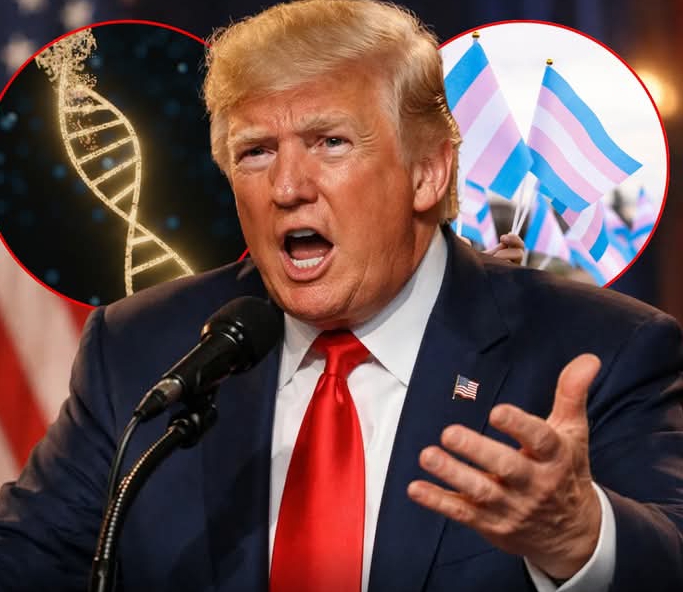
US President Donald Trump has issued a fresh and dramatic warning to Iran, telling world leaders at the United Nations General Assembly that he may “annihilate” the Islamic Republic if Tehran fails to reach an agreement to end the ongoing Middle East war.

Trump delivered the warning on Tuesday, September 22, 2026, during his address to the 81st UN General Assembly in New York, where he defended US military action against Iran and said Washington was still prepared to pursue a diplomatic solution.

The US president said he faced what he described as a major decision over whether to pursue a deal that would allow Iran to rebuild or escalate military action against the country.
“I have a big decision to make,” Trump said, framing the choice as one between an agreement with Iran and destroying the Islamic Republic.

He asked whether he should “drive them into hell with no chance of survival and no hope of future greatness or generations,” while maintaining that a negotiated settlement remained possible.
Trump Predicts Deal After US Midterms
Despite the severity of his warning, Trump said he believed Iran would eventually return to negotiations and suggested that a deal could be reached shortly after the US midterm elections in November.
Trump said Tehran was waiting to see how his Republican Party performs in the November 3 elections before making what he considers a decisive move toward negotiations.
“I believe we’ll make a deal right after the election because it doesn’t make sense for them not to,” Trump said.
His remarks come as the conflict between the United States and Iran approaches a critical diplomatic and military juncture, with efforts to revive negotiations continuing alongside threats of further escalation.
Washington Demands Pressure on Tehran
Trump also called on countries around the world to support what he described as the complete economic isolation of Iran.
According to Reuters, the US president showed little indication in his UN speech that Washington was immediately prepared to resume direct negotiations, even though Iranian officials had signalled an openness to discussions under certain conditions.
Trump has consistently argued that US military action against Iran is aimed at preventing Tehran from obtaining a nuclear weapon.
The Iranian government, however, has rejected US claims about its intentions and has maintained its own position in the confrontation.
War, Hormuz and Global Economic Fallout
The conflict has also had wider consequences for the Middle East and global energy markets, particularly because of disruption surrounding the Strait of Hormuz, a critical route for international oil shipments.
Trump has demanded that Iran reopen the strategic waterway as part of any broader settlement.
The continuing confrontation has placed Gulf countries in a difficult position, with Saudi Arabia, the United Arab Emirates, Qatar, Bahrain, Kuwait and Oman among the regional states seeking to avoid being drawn further into the conflict. Reports say Trump was scheduled to meet Gulf leaders in New York to discuss the next phase of the crisis.
Iranian Delegates Walk Out
Trump’s address also triggered a visible diplomatic reaction inside the UN General Assembly chamber.
Iranian delegates reportedly walked out during his speech as the US president defended Washington’s military campaign and issued further warnings against Tehran.
The walkout underscored the deep diplomatic divide between Washington and Tehran as international efforts to end the conflict continue.
Diplomacy or Further Escalation?
Trump’s remarks leave open two contrasting possibilities for the next phase of the conflict: a return to negotiations after the US elections or another escalation of military action.
The US president has repeatedly suggested that the war could soon come to an end, while simultaneously keeping open the possibility of renewed attacks if his demands are not met.
Earlier in September, Trump told Axios that he was approaching a critical point over whether to intensify military action against Iran, saying, “Anything could happen with me.”
With the November US midterm elections approaching, the Iran conflict is therefore entering a period in which military calculations, diplomatic negotiations and US domestic politics are unfolding simultaneously.
For now, Trump says he still believes a deal is possible.
But his warning at the UN made clear that he is also keeping the threat of further military action firmly on the table.