Tinubu Promised: Nigerians Still Waiting as Transport Costs Remain High in Many States
By NewsMediaNG

Nigerian commuters across several states are still paying the same, and in some cases higher, transport fares despite President Bola Tinubu’s directive for cheaper transportation through the deployment of Compressed Natural Gas (CNG)-powered buses.

Checks by reporters on Thursday showed that the expected nationwide reduction in fares had yet to materialise across many major transport corridors as the October 1 target date took effect.
Commuters in Enugu, Anambra, Delta, Imo, Sokoto, Kebbi, Jigawa, Gombe, Edo, Plateau, Ondo, Osun, Oyo and Ogun states reported that transport fares remained largely unchanged.

In several of the affected states, transport operators said they were yet to receive CNG-powered buses, while motorists also cited inadequate refuelling infrastructure, limited conversion centres, high fuel costs, expensive spare parts and maintenance expenses as major obstacles to reducing fares.
The development has raised fresh concerns over how quickly the Federal Government’s alternative-fuel transportation initiative can translate into tangible relief for millions of Nigerians who depend on commercial transport daily.
Tinubu’s October 1 directive
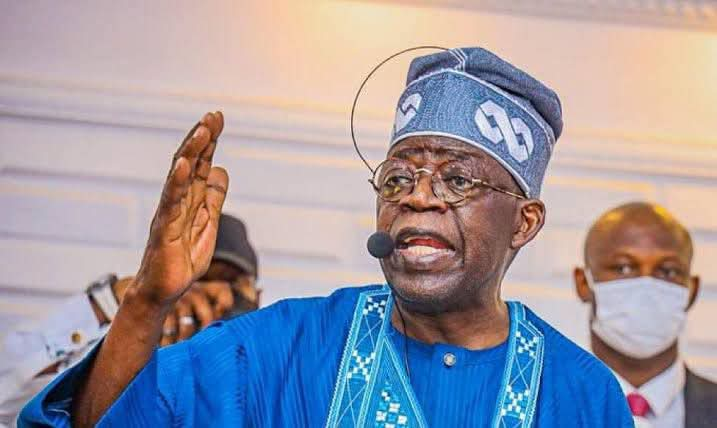
President Tinubu had on September 19 urged state governments to ensure that savings generated from cheaper CNG-powered transportation were passed directly to commuters through lower fares from October 1.
The directive followed his August 27 meeting with the 36 state governors under the National Affordable CNG Transit Programme.
The President said the objective was to ensure that Nigerians experienced “measurable reductions in transportation costs” beginning from October 1.
“I encourage every state to maintain the momentum towards October 1. Work with transport unions and commercial operators. Support conversion and fleet deployment. Facilitate the infrastructure required.
“Above all, ensure that savings from cheaper energy reach Nigerian citizens through lower fares,” Tinubu said.
He added that some states were already recording reductions through the deployment of CNG and electric buses.
October 1 not nationwide deadline — Presidential CNG initiative
However, Ismaeel Ahmed, Chairman of the Presidential Initiative on Compressed Natural Gas and Electric Vehicles, said the October 1 date should not be interpreted as a deadline requiring every state to immediately cut fares.
Ahmed said fare reductions had already started in some states, including Borno, Kaduna, Zamfara and Ebonyi, while the Federal Government would continue monitoring implementation across the country.
“The President and the Governors sat on August 27 to make a commitment to deepen the use of alternative fuel vehicles — CNG and electric vehicles — across the country,” Ahmed said.
“The Federal Government has made significant investments in infrastructure and equipment over the last three years. The 1st of October is not a be-all date when everything happens at once.”
According to him, the Federal Government’s position is that the initiative will be expanded progressively until CNG and electric-powered transport becomes available across more communities and major traffic corridors.
States already recording reductions
Ahmed cited existing CNG-powered transport operations in Abuja, particularly on high-traffic routes such as Federal Secretariat–Gwagwalada and Kubwa, where fares are significantly lower than conventional commercial transport.
He also disclosed that Lagos had received 20 CNG buses donated to the Lagos Metropolitan Area Transport Authority for routes including the Lagos-Ibadan corridor.
Kaduna, he said, had recorded transport fare reductions following two years of CNG operations.
In Zamfara, the government recently launched 100 electric taxis, with passengers paying lower fares, while Ebonyi State provides free transportation for civil servants and students under its state-backed scheme.
Borno, according to Ahmed, has also recorded significant reductions, with electric vehicles reportedly charging about ₦15 per trip, compared with fares of between ₦200 and ₦500 previously.
Millions still waiting for cheaper transport
Despite these examples, findings across several other states indicate that the impact of the CNG initiative remains limited.
For millions of Nigerians who do not have access to subsidised government transport schemes, the cost of commuting remains tied largely to conventional petrol-powered buses and minibuses.
Transport operators argue that they cannot substantially reduce fares without corresponding reductions in operating costs, particularly fuel, vehicle maintenance, spare parts and other expenses.
The uneven rollout has therefore left a significant gap between the Federal Government’s CNG transportation objectives and the experience of commuters in many parts of the country.
Ahmed acknowledged that the initiative had not yet reached every part of Nigeria but maintained that implementation had begun.
“There will be commencement of fare reduction by 1st of October and, God willing, we are going to keep following that up to make sure that we deepen it and it pervades every community and every high-traffic corridor,” he said.
For now, however, commuters in many states are still waiting for the promised relief, with October 1 passing without a widespread reduction in commercial transport fares.