Abuja Varsity Bans Smartphones for Students, Threatens Suspension for Offenders
Abuja Varsity Bans Smartphone Use, Imposes Strict Penalties on Offenders
Abuja, Nigeria – Margaret Lawrence University has officially prohibited students from using smartphones on campus, warning that first-time offenders could face a two-week suspension. The measure is aimed at minimizing distractions and ensuring students focus on their academic pursuits.

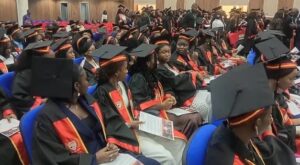
The Vice-Chancellor, Prof. Ernest Izevbigie, announced the new policy on Monday during the university’s third matriculation ceremony for the 2025/2026 academic session. The event welcomed 272 new students and was conducted in a hybrid format, with in-person attendance at the Abuja main campus and virtual participation from the Delta campus.

Prof. Izevbigie explained that smartphones often distract students from learning activities, and the university wants to ensure that students dedicate their time to academics.
“Using smartphones can be a distraction, and they (students) all know that. Their parents know that. As a matter of fact, that is one of our selling points. They are not allowed to use smartphones so they can communicate,” he said.

“They can use non-smartphones or regular phones to make calls and send texts, but they shouldn’t access sites they have no business visiting while on campus. We want them to focus on their studies.”
First-time violators risk a two-week suspension, with penalties increasing for repeat offences, the Vice-Chancellor added.
The university’s Founder and Pro-Chancellor, Paul Odili, urged students to remain disciplined and take full advantage of the learning environment provided. He emphasized that their main purpose at the university is to acquire knowledge, develop critical thinking, and build character for future professional success.
Former Executive Secretary of the National Universities Commission (NUC), Prof. Abubakar Rasheed, also praised the university for establishing a teaching hospital within just three years of its inception—a feat many second-generation Nigerian universities take nearly two decades to achieve.
He described the achievement as a testament to the institution’s commitment to advancing medical education, research, and healthcare training.