Israel Offers $3,500 and Free Flights to African Migrants Willing to Leave Country

Israel has temporarily expanded its voluntary departure programme to cover eligible nationals from all African countries, including Nigeria, offering a $3,500 cash grant and free flights to those who agree to leave the country.

The expanded programme, announced by Israel’s Population and Immigration Authority, took effect on November 9, 2026, and is expected to run until December 31, 2026.
Under the new arrangement, African nationals who have lived in Israel for more than two years without valid immigration status, as well as certain holders of temporary residence permits, may qualify for the financial assistance.

Previously, the programme was largely restricted to nationals of selected African countries, including Eritrea, Sudan, Ethiopia, Guinea and Ivory Coast.
The expansion now extends eligibility to citizens of every African country, including Nigeria, Ghana, Kenya, Uganda and South Africa, subject to the programme’s conditions.
How the programme works
Eligible applicants are required to submit an application online or in person and undergo an interview with immigration officials to confirm their willingness to leave Israel voluntarily.
Successful applicants will receive government-funded flight tickets and assistance with obtaining the necessary travel documents.
The $3,500 grant will be paid in cash at the airport before departure. Participants may also receive protection from immigration enforcement and detention for up to two weeks while arrangements for their departure are completed.
Why Israel expanded the programme
The decision follows a decline in the number of migrants leaving Israel through government-assisted voluntary departure arrangements.
According to reported figures, 3,511 people left through the programme in 2024, compared with 2,815 in 2025, representing a decline of approximately 20 per cent.
Israeli authorities have reportedly linked the decline to tighter immigration policies in potential resettlement destinations and disruptions caused by regional conflicts.
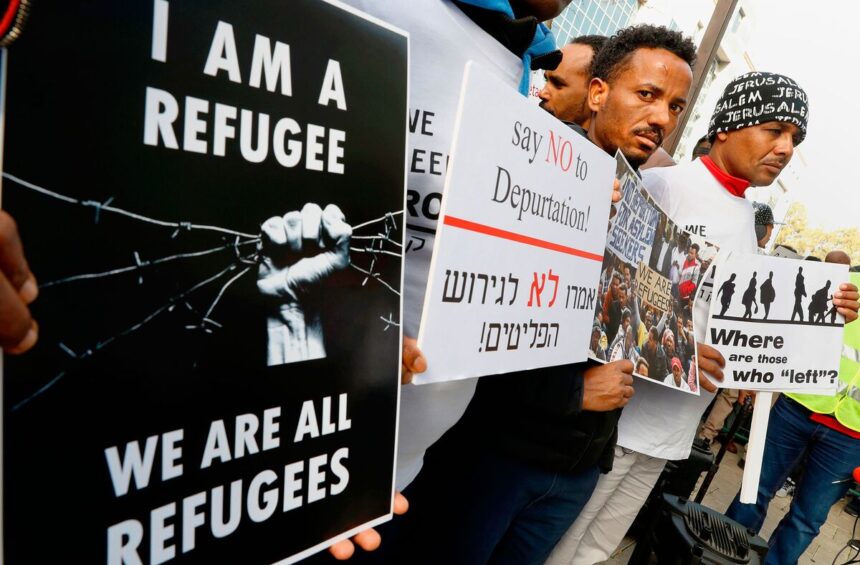
The programme has, however, attracted criticism from refugee advocacy organisations, which have raised concerns about the circumstances surrounding the departure of asylum seekers and whether their decisions are entirely voluntary.
Israel’s policy has previously faced legal and international criticism, particularly during a similar initiative introduced in 2018.
The latest expansion is temporary and does not mean that every African citizen living in Israel automatically qualifies for the $3,500 payment.