South Africa Summons Femi Fani-Kayode, Invokes Vienna Convention Over Diplomatic Conduct

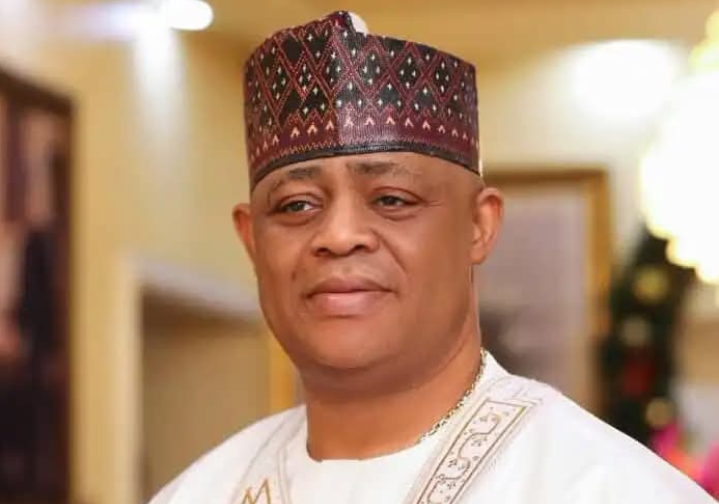
South Africa has formally summoned Nigeria’s High Commissioner to the country, Femi Fani-Kayode, over a diplomatic controversy surrounding the presentation of his letters of credence to President Cyril Ramaphosa and his subsequent comments on social media.

The South African Department of International Relations and Cooperation (DIRCO) disclosed that its Director-General, Zane Dangor, met with Fani-Kayode on Tuesday, November 17, 2026, to convey the government’s concerns over the incident.
According to DIRCO, the meeting focused on developments following the presentation of the Nigerian envoy’s diplomatic credentials and his public remarks about the controversy.

During the engagement, Dangor specifically drew Fani-Kayode’s attention to Article 41 of the 1961 Vienna Convention on Diplomatic Relations, which outlines the obligations of diplomatic agents in their host countries.
The convention requires diplomats to respect the laws and regulations of their receiving states and conduct official government business through established diplomatic channels.
DIRCO emphasised that official communications should be handled through recognised channels, including the South African foreign ministry.
The department also reiterated South Africa’s commitment to maintaining strong bilateral relations with Nigeria, founded on mutual respect, friendship and cooperation.
How the diplomatic controversy started
The disagreement followed a credentials presentation ceremony held on Friday, November 13, at the Presidential Guest House in Pretoria, where President Ramaphosa received letters of credence from 15 newly appointed heads of mission.
Fani-Kayode, who represented Nigeria at the ceremony, subsequently alleged that the South African Presidency deliberately excluded his introduction and speech from the official livestream.
In a post on his X account, the former Minister of Aviation claimed that while the introductions and speeches of the other 14 diplomats were broadcast, Nigeria’s segment was omitted.
He further alleged that the livestream was interrupted during his presentation and resumed only after he had delivered his address.
Fani-Kayode also said he raised the matter directly with Ramaphosa during a photo session, claiming that the South African President directed relevant officials to address his complaint.
South African Presidency disputes Fani-Kayode’s account
However, South African presidential spokesperson Vincent Magwenya disputed aspects of the Nigerian envoy’s account.
Magwenya said Ramaphosa did not intervene in the operations of the South African Broadcasting Corporation (SABC), explaining that the President merely directed Fani-Kayode to the appropriate broadcaster official to address his concerns.
He also criticised the Nigerian envoy’s decision to take the matter to social media rather than use established channels of communication.
The Nigerian High Commission subsequently defended Fani-Kayode, accusing the South African presidential spokesperson of making inappropriate remarks and insisting that the disagreement should have been handled with diplomatic restraint.
The latest meeting between Dangor and Fani-Kayode brings the disagreement into formal diplomatic engagement, with South Africa stressing the importance of established procedures for communication between diplomatic missions and host governments.
The development comes amid efforts by both countries to strengthen bilateral relations following previous tensions over xenophobic attacks and the treatment of Nigerians living in South Africa.
South Africa has, however, reaffirmed its commitment to maintaining constructive engagement and strengthening its strategic partnership with Nigeria.