

European Union Goes After Russian Banks, Crypto Platforms, Soldiers, Athletes in New Sanctions Package
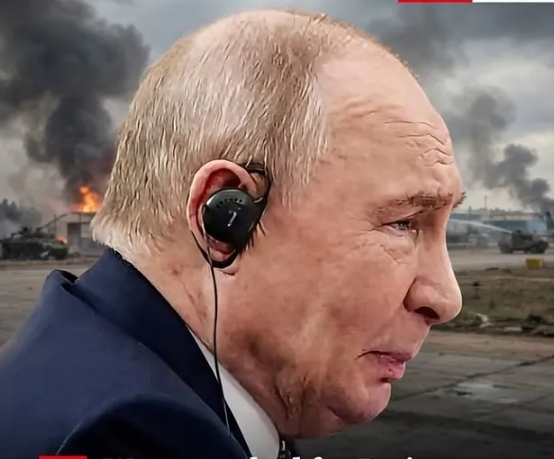
The European Union has proposed a fresh round of sanctions against Russia, targeting dozens of banks, cryptocurrency platforms, energy infrastructure, oil tankers, former combatants and sporting activities as Brussels intensifies pressure on Moscow over its ongoing war in Ukraine.
The European Commission unveiled the proposed measures on Monday, November 23, 2026, describing them as part of efforts to restrict Russia’s financial capacity, tighten enforcement of existing sanctions and increase pressure on President Vladimir Putin’s government.

The proposed measures constitute the EU’s 22nd sanctions package against Russia since the country’s full-scale invasion of Ukraine in February 2022.
European Commission President Ursula von der Leyen said the bloc would continue introducing sanctions until Moscow demonstrates a genuine commitment to achieving lasting peace in Ukraine.

Under the proposal, approximately 60 additional Russian banks would face transaction restrictions and removal from the Society for Worldwide Interbank Financial Telecommunication (SWIFT), the international financial messaging network used by banks to facilitate cross-border transactions.
The package also seeks to tighten restrictions on cryptocurrency platforms and payment networks allegedly being used to circumvent existing international sanctions.
To strengthen enforcement, the European Commission has established a Crypto Sanctions Task Force to coordinate efforts against Russia and third countries suspected of helping Moscow evade financial restrictions.
Energy Sector and Oil Tankers Targeted
Russia’s energy industry is another major target of the proposed sanctions.
The European Commission wants to prohibit European companies from providing services that support the construction, operation or repair of Russian energy infrastructure, particularly oil refineries.
For the first time, the proposed restrictions would also cover electricity-related services.
Additionally, more than 70 vessels suspected of operating as part of Russia’s so-called shadow fleet would be added to the sanctions list.
The shadow fleet consists of vessels allegedly used by Moscow to transport oil while bypassing international restrictions and the oil price cap.
The proposal also seeks to prohibit tanker vessels insured in Russia from accessing European ports.
EU Proposes Visa Restrictions on Russian Ex-Combatants
The sanctions package also introduces proposed visa restrictions targeting Russian nationals who have participated in combat operations in Ukraine.
Von der Leyen argued that former combatants could pose security risks to European countries, particularly amid concerns about alleged Russian-linked hybrid activities across the continent.
The proposed restrictions would prevent affected individuals from entering the European Union.
Russian Athletes Face Sporting Restrictions
In a significant expansion of the sanctions, the European Commission is also proposing restrictions on Russian participation in European sporting and cultural events.
Under the proposal, Russian teams and athletes would be prohibited from competing under the Russian flag at sporting events organised within the EU.
The measures would also restrict the display of official Russian symbols at such events.
Additionally, the Commission wants to prevent Russian nationals from making financial donations to European-based sporting organisations and holding positions in the governing bodies of European sports federations.
The proposal comes amid continuing international disagreements over the participation of Russian athletes in major sporting competitions following Russia’s invasion of Ukraine.
Member States Must Approve Package
Despite the announcement, the proposed sanctions are not yet in force.
The package requires approval by all 27 EU member states, with unanimity needed for the relevant foreign policy decisions before the measures can be formally adopted.
The European Commission is targeting an agreement in December 2026.
If approved, the package would further expand the EU’s economic, diplomatic and sporting restrictions against Russia.
The latest move comes as international efforts to advance peace negotiations between Russia and Ukraine continue, although Moscow has yet to commit to participating in the proposed multilateral discussions involving Ukrainian, Russian, European and American representatives.
NewsMediang.com reports that the proposed measures represent another significant attempt by European governments to restrict Russia’s financial networks, energy operations and international influence while the war in Ukraine continues.
Sources: Euronews +3