2027: Why Nigeria Must Consider a Woman President — Adesanya-Davies

Nigeria is at a critical turning point in its democratic journey, and the call for inclusive, transformative leadership is growing louder ahead of the 2027 general elections.

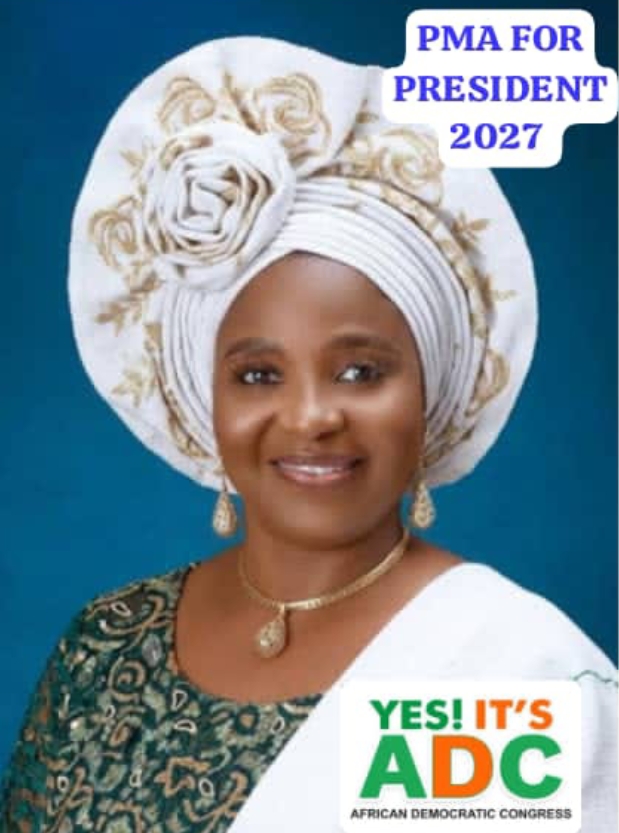
Professor Funmilayo Adesanya-Davies, a former presidential candidate and current aspirant, has renewed advocacy for Nigeria to elect a female president, drawing parallels with other African nations that have embraced women in top leadership roles.
According to her, Nigeria’s current challenges—ranging from insecurity to economic instability—require a shift in leadership approach, one that prioritises equity, accountability, and long-term national development.

She referenced the leadership of Ellen Johnson Sirleaf in Liberia as a notable example, noting that her presidency helped stabilise the country after years of civil conflict while rebuilding international confidence and strengthening institutions.
Adesanya-Davies also pointed to Namibia as a country making strides in gender inclusion, with women increasingly occupying key leadership positions.
She argued that these examples demonstrate that leadership effectiveness is not determined by gender but by competence, vision, and integrity.
“Nigeria, often called the Giant of Africa, cannot afford to fall behind in this critical area,” she said, stressing that Nigerian women have consistently proven their capabilities across sectors including governance, business, academia, and diplomacy.
Despite this, she noted that women remain significantly underrepresented in Nigeria’s highest political offices—a gap she described as both unjust and detrimental to national progress.
“A nation that sidelines over half of its population in decision-making undermines its own growth and stability,” she added.
Adesanya-Davies emphasised that the push for a female president is not based on sentiment but on strategic necessity, arguing that women leaders often bring strengths in collaboration, inclusiveness, and social development.
She highlighted global trends showing that women in leadership frequently prioritise education, healthcare, and peacebuilding—areas she said Nigeria urgently needs to strengthen.
Looking ahead to 2027, she called on political parties to move beyond symbolic inclusion and create real opportunities for female candidates, while urging voters to prioritise competence over entrenched biases.
“As a former candidate and current aspirant, I stand not just for myself, but as a voice for millions of Nigerian women and youths who believe in a more inclusive future,” she said.
She added that the movement is not about gender competition but partnership, aimed at redefining leadership to reflect Nigeria’s diversity and aspirations.
With the 2027 elections approaching, Adesanya-Davies posed a question she believes Nigeria must confront: if countries like Liberia have elected female presidents and Namibia continues to advance gender inclusion, why not Nigeria?
“The time has come for bold decisions. The time has come for inclusive leadership,” she said.