Faith V Medicine: Jehovah’s Witnesses Ease Blood Rule, Permit Self-Donation for Surgeries

The Jehovah’s Witnesses have announced a major doctrinal clarification regarding blood transfusions, granting members the freedom to decide whether their own blood can be used during medical procedures.

The development, communicated in an official video statement, maintains the group’s long-standing prohibition on receiving blood from another person but introduces personal discretion in the use of one’s own blood for treatment.

Personal Choice Introduced
A member of the Governing Body, Gerrit Lösch, said the clarification was reached after prayerful consideration and study of biblical teachings.
According to him, individual members can now decide how their own blood may be handled during surgeries, medical tests, or ongoing therapies.
“A Christian must decide for himself how his own blood will be handled in the course of a surgical procedure, medical test, or current therapy,” Lösch stated.
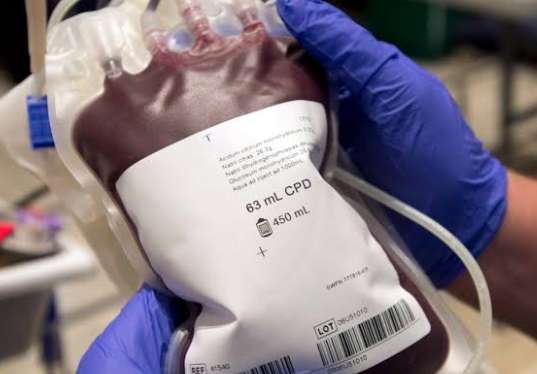
This means members may choose whether their blood can be temporarily removed, stored, and later returned during procedures such as surgery.
Ban on Donor Blood Remains
Despite the shift, the religious group reaffirmed its core doctrine prohibiting transfusions involving another person’s blood.
The teaching is rooted in biblical instructions interpreted as requiring Christians to “abstain from blood,” a principle that has historically shaped the group’s medical decisions worldwide.
Biblical Basis for the Change
Lösch explained that while scriptures from the time of Noah and the Mosaic Law provide direction on abstaining from blood, they do not specifically address the modern medical use of a person’s own blood.
He noted that Christians today are not bound by ancient instructions such as pouring blood on the ground, adding that the Bible is silent on autologous medical practices.
Existing Medical Practices Recognised
The clarification also acknowledges that many Jehovah’s Witnesses already accept certain medical procedures involving their own blood, including:
Blood testing
Use of heart-lung machines
Cell salvage techniques
Kidney dialysis
The updated guidance now formally extends that acceptance to include decisions about storing and reinfusing one’s own blood.
Implications
The move is seen as a significant adjustment, giving members greater autonomy in critical healthcare decisions while preserving the denomination’s central doctrinal stance.
It may also influence how healthcare providers approach treatment options for Jehovah’s Witness patients, particularly in life-saving surgical situations where blood management is essential.