Population Boom: Nigeria Records More Births Than All European Countries Combined
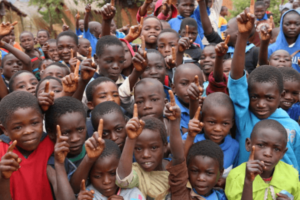
Nigeria is recording more births each year than the whole of Europe, highlighting a widening demographic gap between Africa’s most populous nation and the aging European continent.


Recent global population estimates indicate that approximately 7.5 million babies are born annually in Nigeria, compared to about 6.2 million births across Europe. This places Nigeria ahead by more than one million births every year.

The development underscores a significant shift in global population dynamics, with growth increasingly concentrated in Africa, while Europe faces declining fertility rates and an aging population.
Demographers attribute Nigeria’s high birth numbers to its youthful population structure and relatively high fertility rates. A large proportion of Nigerians are within reproductive age, contributing to sustained population growth.
In contrast, many European countries are experiencing fertility rates below the replacement level, resulting in fewer births and in some cases shrinking populations. Aging demographics across the continent have also contributed to a steady decline in annual birth figures.
Experts say the trend carries wide-ranging implications. While Nigeria’s growing population presents opportunities for a larger workforce and market expansion, it also places pressure on infrastructure, healthcare, education, and employment systems.
On the other hand, Europe’s declining birth rates are raising concerns about labor shortages, increased dependency ratios, and the long-term sustainability of social welfare systems.
The disparity between Nigeria and Europe reflects a broader global pattern, where population growth is increasingly driven by countries in Africa and parts of Asia, reshaping economic and social priorities worldwide.
Analysts note that while higher birth rates signal growth, the quality of life, access to services, and economic stability remain critical factors in determining the long-term impact of such demographic trends.