Pentagon Upheaval: Army Chief, Two Generals Removed Without Clear Explanation
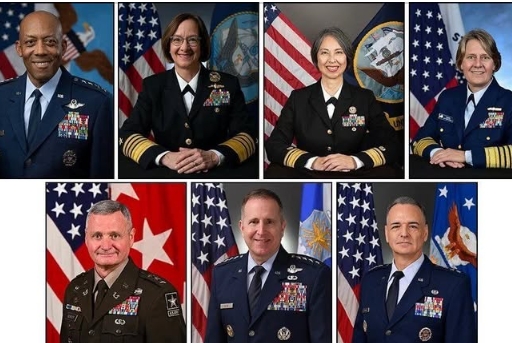
Washington, D.C. — U.S. Defense Secretary has ordered a sweeping shake-up of the U.S. Army’s top leadership, removing Army Chief of Staff and directing the retirement of two other senior generals in a move that has sparked debate over military stability and leadership continuity.
According to Pentagon officials, General George was asked to step down and retire immediately, cutting short his tenure as the Army’s top uniformed officer. The decision is considered highly unusual, as Army chiefs typically serve out their full terms unless extraordinary circumstances arise.

Two additional senior officers— and —were also removed from their positions and instructed to retire. The Department of Defense has not provided detailed reasons for the abrupt dismissals.

In the interim, Vice Chief of Staff is expected to assume duties as acting Army chief, ensuring continuity of command within the service.
Unusual Move Amid Ongoing Military Operations
The leadership overhaul comes at a sensitive time for the United States military, with ongoing operations and heightened geopolitical tensions in multiple regions, including the Middle East. Analysts say such a sudden change at the top of the Army could have implications for operational coordination and strategic planning.

While civilian control of the military allows for leadership changes, the removal of a sitting Army chief before the end of their statutory term is rare and likely to draw scrutiny from lawmakers and defense experts.
Part of Broader Leadership Changes
The latest move is seen as part of a broader effort by Hegseth to reshape senior military leadership. In recent weeks, multiple high-ranking officers across different branches have reportedly been reassigned, sidelined, or asked to step down.
Though the Pentagon has not officially linked the changes to a specific policy shift, some analysts suggest the restructuring may reflect an attempt to align military leadership more closely with the administration’s strategic priorities.
Concerns Over Transparency and Politicization
The absence of a clear public explanation for the removals has raised concerns in Washington about transparency and the potential politicization of the armed forces. Critics argue that abrupt leadership changes without stated cause risk undermining trust within the ranks and complicating civil-military relations.
Others, however, note that defense secretaries have broad authority to make personnel decisions and may act on considerations that are not immediately disclosed for security or internal reasons.
What Comes Next
Attention is now likely to shift to how quickly a permanent replacement for General George is nominated and confirmed, as well as whether Congress will seek further clarification from the Pentagon.
For now, the U.S. Army enters a period of transition at its highest level—one that could shape its leadership direction and strategic posture in the months ahead.