Newsmediang

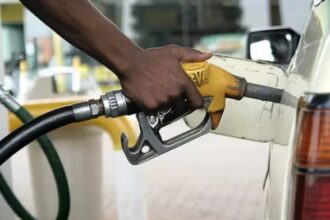
French President Emmanuel Macron has linked rising fuel prices and the growing cost of living in France to the war involving Iran, arguing that his country is suffering the economic consequences of a conflict it did not participate in.

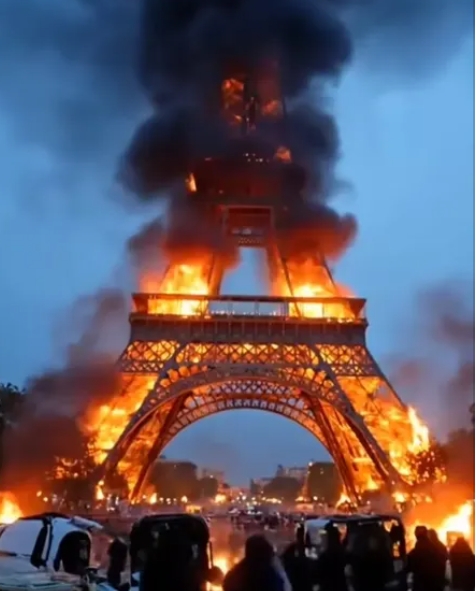
Macron’s remarks come amid widespread protests that escalated into violent riots across France, with demonstrators expressing anger over rising living costs, fuel prices and deteriorating public services.
The French president said the international conflict had triggered energy price increases that were putting additional pressure on French households already struggling with the cost of everyday necessities.

According to Macron, the consequences of the conflict have been felt particularly through higher fuel prices and concerns over energy supplies.
He also pointed to disruptions around the Strait of Hormuz, a major route for global oil shipments, as a factor contributing to the energy crisis.
In remarks reported by international media, Macron said France had not chosen to participate in the war but was nevertheless experiencing its economic consequences.
The president’s comments reflect growing concern among European governments over how geopolitical conflicts can affect domestic energy costs, inflation and household purchasing power.
Protests Escalate Into Violence
The economic pressures have added to existing public frustration over education, public services and the government’s handling of social challenges.
Hundreds of thousands of people reportedly participated in demonstrations across France, with many initially taking to the streets to express peaceful grievances.
However, parts of the demonstrations descended into violence, with reports of looting, vandalism, clashes with security personnel and damage to public buildings.
Authorities have condemned the destruction, while Macron has insisted that peaceful demonstrators must not be confused with those responsible for violence.
The president has also called for accountability for those involved in the unrest.
Fuel Prices and Global Tensions
The crisis highlights the vulnerability of countries that depend on international energy markets to meet their domestic fuel needs.
Disruptions to oil supplies and shipping routes can push up global energy prices, affecting transportation, food distribution, manufacturing and other essential economic activities.
For households, higher fuel costs can translate into increased transport fares and more expensive goods and services, intensifying the pressure on already stretched budgets.
Although France did not participate in the conflict, its consumers remain exposed to fluctuations in international energy markets.
Pressure Mounts on Macron
The unrest presents another challenge for Macron’s administration as it faces growing public dissatisfaction over living standards and the state of public services.
The government must now address the immediate security concerns while responding to the economic grievances that have fuelled public demonstrations.
Macron has acknowledged the concerns of peaceful protesters but maintained that violence and the destruction of property cannot be justified.
The unfolding crisis has renewed debate over the relationship between international conflicts, energy security and domestic economic stability.
For many French households, the immediate concern remains the rising cost of everyday living, while the government faces pressure to restore public order and ease the financial burden on citizens.
Source: Reuters, Associated Press and French presidential statements.