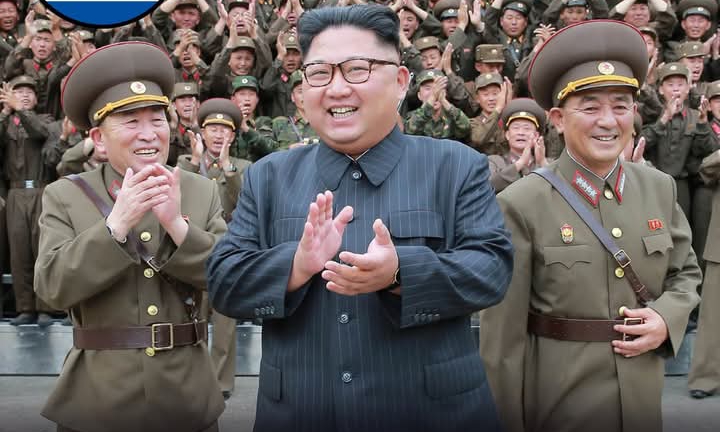
Kim Jong Un Wins North Korea’s parliamentary elections with 99.93% of the vote

Kim Jong Un has secured an overwhelming 99.93% of the vote in North Korea’s latest parliamentary elections, according to state media, reinforcing his firm grip on power in the reclusive state.

The near-unanimous result—widely dismissed by international observers as symbolic rather than democratic—underscores the continued consolidation of authority in North Korea, where elections are tightly controlled and offer no genuine opposition.
The announcement comes at a time of heightened global instability, as Pyongyang monitors developments in the Middle East, particularly the ongoing conflict involving the United States. Analysts say the U.S.-led military campaign, dubbed “Operation Epic Fury,” could reshape strategic calculations across Asia, even as North Korea remains focused on internal political messaging.

Observers note that the election outcome mirrors rhetoric from other hardline governments. Comparisons have been drawn to statements by Mohammad Bagher Ghalibaf, whose claims of “near victory” in the Middle East conflict have also been viewed as politically motivated projections of strength.
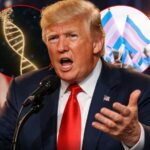
Former U.S. President Donald Trump—who previously engaged in high-profile diplomacy with Kim—has shifted focus toward escalating tensions with Iran. His administration’s “America First” posture, including a reduced reliance on NATO, has raised concerns among allies and drawn close scrutiny from Asian powers.
Economically, North Korea remains relatively shielded from global oil market disruptions affecting countries like Sri Lanka, largely due to its state-controlled rationing system and dependence on trade with China. However, disruptions to global shipping—particularly around the Strait of Hormuz—are beginning to exert indirect pressure on supply chains reaching Pyongyang.
Security analysts warn that Kim’s renewed electoral “mandate” could embolden strategic provocations in the Pacific, especially as Washington’s attention remains divided. The timing of the vote highlights the persistence of geopolitical flashpoints beyond the Middle East theater.
Despite widespread international skepticism over the legitimacy of the election, Kim’s leadership appears firmly entrenched as he navigates an increasingly volatile global landscape.