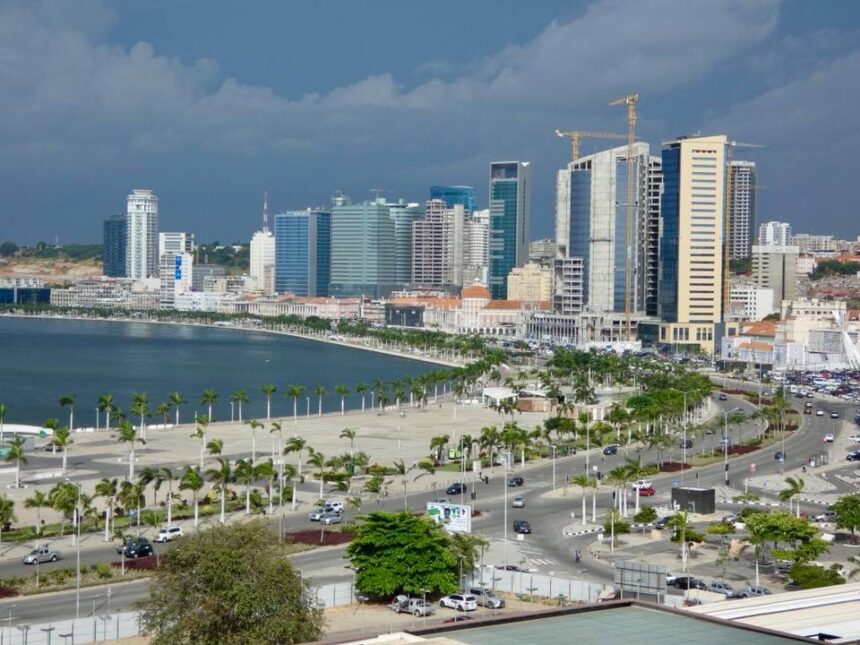
Luanda to Overtake Lagos as Sub-Saharan Africa’s Most Populous City by 2050 – World Bank

Angola’s capital, Luanda, is projected to overtake Nigeria’s Lagos as the most populous city in Sub-Saharan Africa by 2050, with its population expected to rise to 20.3 million, according to a new World Bank report.

The report, titled Sub-Saharan Africa’s Urban Awakening: Catalysing Economic Growth and Job Creation, projects that Luanda’s population will increase by 78 per cent over the next 25 years, rising from 11.4 million in 2025 to 20.3 million by 2050.

According to the World Bank, the projected growth will see the Angolan capital surpass Lagos, which currently ranks as the region’s most populous city based on the report’s estimates.
“Over this period, the population of Angola’s capital city, Luanda, is projected to increase by 78 per cent from 11.4 million to 20.3 million. In doing so, Luanda will overtake Lagos as SSA’s most populous city,” the report stated.
Despite losing its projected top position, Lagos is still expected to experience significant population growth.
The World Bank estimates that Lagos’ population will increase from 12.8 million in 2025 to 16.2 million by 2050, representing a 25 per cent rise.
However, the Lagos State Government has previously put the city’s population at approximately 22 million, highlighting differences in population estimates and measurement methods.
The projected population increase for Lagos amounts to about 3.4 million people, compared with Luanda’s expected addition of 8.9 million residents within the same period.
Beyond Lagos, other Nigerian cities are also expected to record substantial population growth.
Onitsha’s population is projected to increase from 5.6 million in 2025 to 8.7 million by 2050, representing a growth of approximately 55.4 per cent.
Kano, another major Nigerian urban centre, is expected to record a 31 per cent population increase over the same period.
Despite the projected growth, Kano is expected to drop out of Sub-Saharan Africa’s 15 most populous cities by 2050.
The World Bank report also highlights the broader implications of rapid urbanisation across Sub-Saharan Africa, stressing the need for improved infrastructure, effective urban planning, affordable housing and better transportation systems.
It warns that African cities must turn their growing populations into economic opportunities through policies that attract investment, improve productivity and create jobs.
The report emphasises that decisions taken by governments today will play a significant role in determining whether the region’s expanding cities become engines of economic growth and employment.
NewsMediang.com reports that the projections underline the growing importance of strategic urban planning as African cities prepare for significant demographic changes over the next 25 years.