Britain Rejects Formal Slavery Apology as King Charles Faces Reparations Pressure
Newsmediang.com
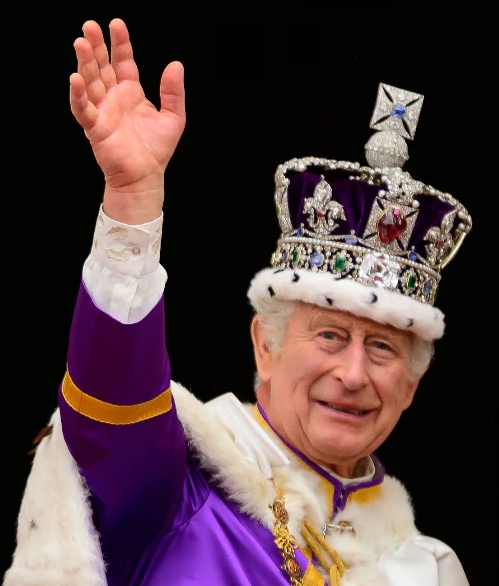
Britain is facing renewed calls to formally apologise for its role in the transatlantic slave trade as King Charles III acknowledges the historical injustices of slavery during his Caribbean tour.

Despite recognising the suffering caused by slavery, the British monarch is not expected to issue a formal apology, while the UK government has maintained its opposition to financial reparations. reported that the King’s remarks are intended to confront Britain’s historical legacy without announcing compensation.

The issue has intensified as African and Caribbean countries increase pressure on Britain to acknowledge its historical responsibility and address the lasting consequences of slavery.
Ghana is among the countries advocating reparatory justice for Africans and their descendants. At the same time, Caribbean leaders are expected to raise the issue at the forthcoming Commonwealth Heads of Government Meeting in Antigua and Barbuda.

The renewed campaign comes as King Charles acknowledges the suffering and injustices inflicted by slavery during his visit to the Bahamas. However, campaigners argue that recognition alone does not adequately address the historical harm or its continuing effects.
Jamaica Takes Slavery Reparations Case to Privy Council
Jamaica has taken a significant legal step by petitioning King Charles III to refer questions about the legality of slavery and Britain’s potential responsibility for reparatory justice to the Judicial Committee of the Privy Council.
The King referred the petition to the committee in September 2026. Jamaica is seeking legal clarification on whether the capture, transportation and enslavement of Africans under British rule were lawful, whether the practices breached international law, and whether the United Kingdom owes Jamaica a reparatory remedy.
According to the Jamaica Information Service, a preliminary hearing has been scheduled for the week of March 8, 2027, while the UK government has until November 20, 2026, to submit its case.
The petition does not itself constitute a court ruling that Britain must pay reparations. Instead, it seeks legal determinations that could shape Jamaica’s next steps in pursuing reparatory justice.
Britain Maintains Position on Reparations
The British government has continued to reject financial compensation for slavery while acknowledging that the transatlantic slave trade was abhorrent.
The position has drawn criticism from reparations campaigners, who argue that a formal apology and practical measures are necessary to address the consequences of centuries of enslavement.
The debate also raises questions about the British monarchy’s historical connections to the slave trade, the responsibilities of modern governments for historical injustices, and the appropriate forms of redress.
As Commonwealth leaders prepare to discuss the legacy of slavery, pressure is growing for Britain to move beyond expressions of sorrow towards a broader conversation about accountability, reparations and historical justice.
For NewsMediang.com, the developing debate highlights the continuing international significance of slavery’s legacy and the efforts by African and Caribbean nations to secure recognition and remedies for historical injustices.