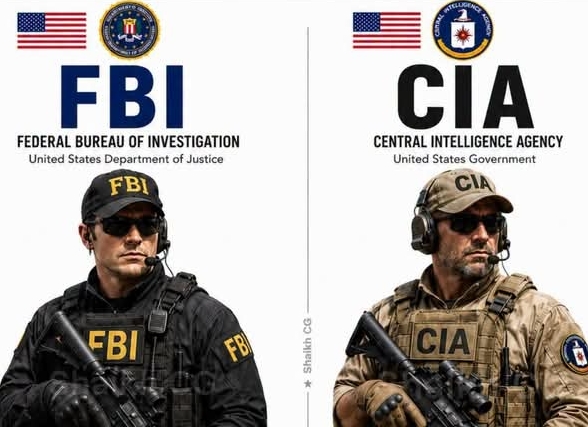

FBI vs CIA: Understanding the Difference Between America’s Two Top Security Agencies

The Federal Bureau of Investigation (FBI) and the Central Intelligence Agency (CIA) are among the United States’ most influential security and intelligence organizations. While they often work together, they have distinct roles and jurisdictions.

Federal Bureau of Investigation (FBI)
Primary Focus: Domestic intelligence and federal law enforcement
Jurisdiction: Within the United States
Key Responsibilities: Counterterrorism, cybercrime, public corruption, organized crime, counterintelligence, and major federal criminal investigations
Overseen By: U.S. Department of Justice
Established: 1908
Central Intelligence Agency (CIA)
Primary Focus: Foreign intelligence gathering and national security
Jurisdiction: Outside the United States
Key Responsibilities: Human intelligence (HUMINT), covert operations, foreign threat analysis, cyber intelligence, and support for counterterrorism missions abroad
Overseen By: Director of National Intelligence
Established: 1947
The Key Difference
The FBI is primarily responsible for protecting the United States from threats within its borders by enforcing federal laws and conducting domestic intelligence operations.
The CIA, on the other hand, focuses on collecting and analyzing intelligence outside the United States, helping policymakers understand and respond to foreign threats before they reach American soil.
Although their missions differ, the two agencies frequently collaborate to safeguard U.S. national security against terrorism, espionage, cyber threats, and other emerging risks.