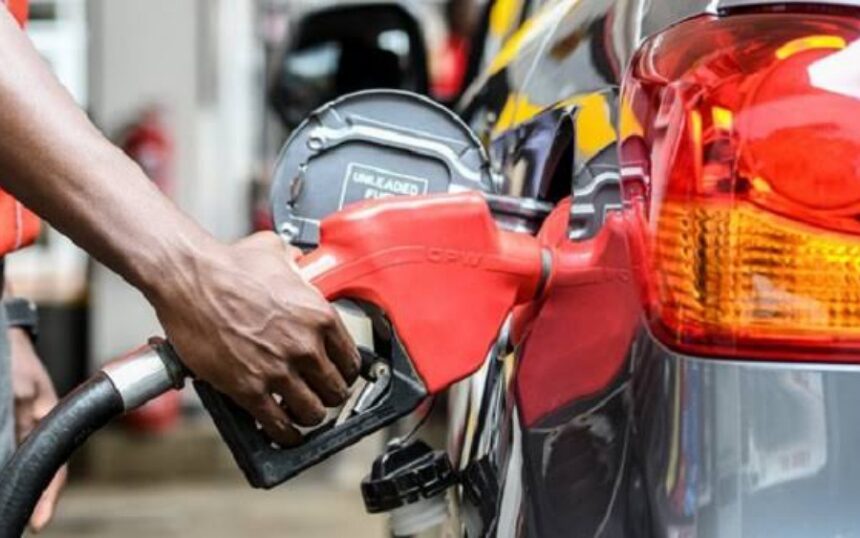
FCCPC Threatens Nigerian Fuel Marketers With Sanctions Over High Petrol Prices Despite Crude Oil Crash

The Federal Competition and Consumer Protection Commission (FCCPC) has raised concerns over what it described as possible consumer exploitation in Nigeria’s downstream petroleum sector, noting that the recent sharp decline in global crude oil prices has not translated into substantial reductions in the pump price of petrol across the country.

In a statement issued on Sunday by the Commission’s Director of Corporate Affairs, Ondaje Ijagwu, the FCCPC said findings from its ongoing market surveillance showed that local refiners, depot operators, marketers and filling station owners had only implemented marginal reductions in fuel prices despite the significant drop in international crude oil prices.
According to the Commission, consumers are yet to fully enjoy the benefits of the easing in global oil prices, as operators in the sector have been slow in passing on the gains to Nigerians.

The Executive Vice Chairman and Chief Executive Officer of the FCCPC, Tunji Bello, described the situation as a one-sided response by operators in the petroleum sector.
“While dealers often respond swiftly by hiking pump prices whenever crude prices rise, it is curious that it is taking forever for consumers to benefit significantly when crude prices fall. Competitive markets must work fairly in both directions,” Bello said.
He, however, clarified that the Commission does not regulate or approve petroleum prices in Nigeria’s deregulated market but is empowered under the Federal Competition and Consumer Protection Act, 2018, to promote competition and protect consumers from exploitative and unfair practices.
The Commission’s concerns come amid a sharp reversal in global oil prices following the ceasefire agreement between the United States and Iran and the reopening of the Strait of Hormuz.
According to the FCCPC, crude oil prices, which had surged to around $120 per barrel in April due to tensions in the Middle East, have now dropped to approximately $73 per barrel, returning to levels last seen in February.
The earlier spike in crude prices had triggered a sharp increase in the cost of petroleum products in Nigeria, with petrol selling for between N1,350 and N1,500 per litre in many parts of the country, while diesel climbed to around N2,000 per litre.
In February, petrol prices ranged between N800 and N900 per litre. However, despite the recent decline in crude oil prices, petrol is still averaging around N1,200 per litre nationwide, with some local refiners’ gantry prices ranging from N1,025 to N1,075 per litre.
The FCCPC acknowledged that domestic fuel prices are influenced by several factors, including foreign exchange fluctuations, logistics, financing, refining and distribution costs. Nevertheless, it maintained that market forces should have resulted in more significant reductions in fuel prices.
“Market liberalisation does not diminish businesses’ obligations to compete fairly or consumers’ right to fair treatment. Where credible evidence indicates conduct that undermines competition, exploits consumers or otherwise contravenes the Act, the Commission will investigate and take appropriate enforcement action,” Bello stated.
The Commission urged Nigerians to report suspected cases of anti-competitive conduct, price manipulation and other unfair practices through its official channels.
The FCCPC’s intervention is expected to reignite public debate over the effectiveness of Nigeria’s deregulated petroleum market, with many consumers questioning why the sharp drop in international crude oil prices has failed to bring proportionate relief at the pumps.
Since the removal of fuel subsidy, the prices of petroleum products in Nigeria have become closely tied to global crude oil movements and exchange rates, but consumer groups have repeatedly accused marketers of implementing price increases almost immediately while delaying downward reviews when market conditions improve.