ICPC Asked Me to Stay Away from 2027 Politics Before Release – Nasir El-Rufai Tells Court

Pressure in Court Battle Over Detention
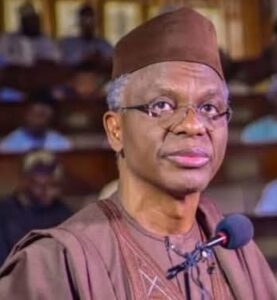
Fresh controversy has emerged over the detention of former Kaduna State governor, Nasir El-Rufai, as he accuses the Independent Corrupt Practices and Other Related Offences Commission (ICPC) of attempting to coerce him into withdrawing from the 2027 political race.
In court filings seen by his legal team, El-Rufai alleged that senior officials of the anti-graft agency made his release conditional on his willingness to disengage from political activities—particularly those linked to emerging opposition alignments ahead of the next general elections.

Alleged Conditions for Freedom
According to the suit, the former governor claimed he was explicitly warned during interrogation that his continued political relevance posed a “risk,” and that stepping away from the 2027 contest could “ease” his legal troubles.
His lawyers argue that such demands, if proven, would amount to a grave abuse of power and a direct violation of his constitutional rights, including the freedoms of association and political participation.

They further allege that no formal charges were filed at the time of his extended detention, raising concerns about due process and the legality of holding a high-profile political figure without prompt arraignment.
Timeline and Grounds for Arrest
El-Rufai was reportedly taken into ICPC custody in early 2026 over allegations bordering on financial misconduct and abuse of office during his tenure as governor of Kaduna State. However, details of the specific allegations remain unclear in public filings, fueling speculation about the true motive behind the probe.
Sources familiar with the investigation suggest the case may involve contract awards, state finances, and administrative decisions made during his time in office. Yet, no comprehensive charge sheet has been made public.
ICPC’s Position
The ICPC has pushed back against claims of political interference, maintaining that its actions are strictly within the law. The agency insists it obtained valid court orders to detain El-Rufai pending the conclusion of investigations.
Officials have also declined to comment directly on the allegation that he was asked to withdraw from politics, describing the matter as “sub judice.”
Political Undercurrents
El-Rufai’s claims come at a time of shifting political alliances in Nigeria, particularly as conversations around the 2027 general elections begin to intensify.
Once a key figure within the ruling All Progressives Congress (APC), El-Rufai has in recent months been linked to opposition consultations and broader coalition-building efforts. Analysts say this evolving alignment may have heightened tensions between him and certain power blocs.
Political observers note that anti-corruption investigations in Nigeria have often been viewed through a political lens, especially when they involve prominent figures with active or future electoral ambitions.
What Comes Next
The court is expected to rule on the legality of his detention and whether his fundamental rights were breached. Legal experts say the outcome could have far-reaching implications—not just for El-Rufai, but for the broader relationship between politics and anti-corruption enforcement in Nigeria.
As proceedings continue, the case is likely to remain a focal point in Nigeria’s evolving political landscape, especially as the road to 2027 gradually takes shape.