


Iran Halts Execution of Two Protesters Hours Before Scheduled Hanging
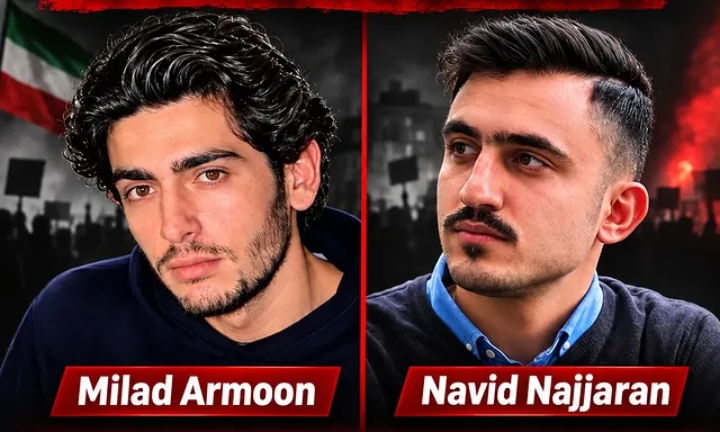
Iranian authorities have reportedly halted the planned executions of two protesters, Milad Armoun and Navid Najaran, just hours before they were scheduled to be hanged at dawn on Wednesday, November 25, 2026.
The development came after international concern and appeals from human rights organisations over the death sentences imposed on the two men for their alleged involvement in protests linked to Iran’s 2022 Woman, Life, Freedom uprising.

According to reports, Mohammad Hossein Aghasi, the lawyer representing Armoun, confirmed that he received a telephone notification that the execution had been stopped. He subsequently informed the family of his client.

Dadban, an Iranian legal rights organisation, also reported that Najaran contacted his family and confirmed that he had been returned to the general prison ward at Ghezel Hesar Prison in Karaj.
The two men had reportedly been transferred to pre-execution cells on November 21, raising fears that their sentences would be carried out imminently.

Why Were the Two Men Sentenced to Death?
Armoun and Najaran were among the defendants in the high-profile Ekbatan case, which arose from the death of Arman Aliverdi, a member of Iran’s Basij militia, during the 2022 protests in Tehran’s Ekbatan neighbourhood.
The protests formed part of the nationwide Woman, Life, Freedom movement, which erupted following the September 2022 death of Mahsa Amini, a young Iranian woman who died after being detained by the country’s morality police over alleged violations of compulsory hijab rules.
In May 2026, Branch 15 of Tehran’s Revolutionary Court, presided over by Judge Abolghasem Salavati, sentenced Armoun and Najaran to death on charges of efsad-fil-arz, translated as corruption on earth.
Their convictions and death sentences attracted criticism from human rights organisations, which questioned the fairness of the judicial proceedings.
Human Rights Groups Raise Alarm
Iran Human Rights (IHRNGO) had called for urgent international intervention to prevent the executions, warning that the two men were sentenced following allegations of torture, forced confessions and grossly unfair trials.
The organisation’s director, Mahmood Amiry-Moghaddam, urged the United Nations and governments maintaining diplomatic relations with Iran to intervene.
The UN Special Rapporteur on human rights in Iran, Mai Sato, also called on Iranian authorities to halt the executions and overturn the death sentences.
Concerns were further heightened by the legal history of the case. The two men had previously been acquitted of the intentional murder of Aliverdi by a criminal court, although subsequent proceedings resulted in death sentences on separate security-related charges.
Their lawyers challenged the convictions and sought further judicial review.
Execution Suspension Raises Hope
The reported suspension of the executions represents a significant development for the families of the two men and human rights campaigners who had been calling for their lives to be spared.
However, the reported halt does not necessarily mean that the death sentences have been permanently overturned.
As of Wednesday, November 25, there was no clear indication that Iranian authorities had formally cancelled the sentences or granted the men permanent relief.
The case continues to draw international attention amid concerns about the use of capital punishment against individuals connected to Iran’s protest movements.
NewsMediang.com will continue to follow developments surrounding the case.
Sources: Iran Human Rights (IHRNGO), Iran International and The Insight International.