Nigerians Register 14 Million Births in Two Years, Says UNICEF


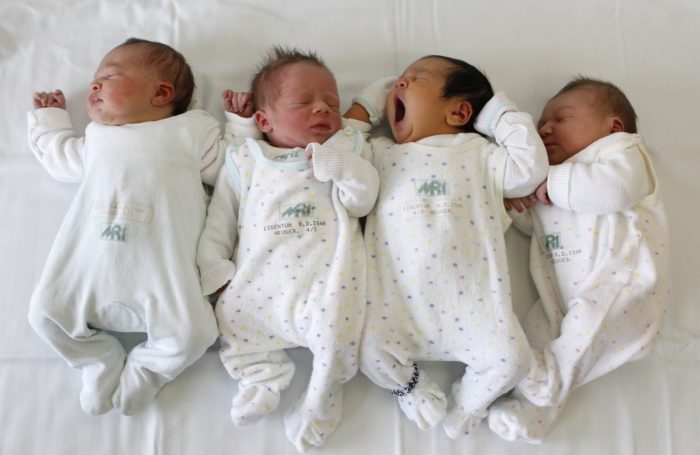
The United Nations Children’s Fund (UNICEF) has revealed that 14 million Nigerian children had their births officially registered over the past two years, marking a significant step forward in ensuring legal identity for children.
UNICEF Country Representative Wafaa Abdelatef made this disclosure on Friday during a courtesy visit to First Lady Oluremi Tinubu at the State House in Abuja. She described birth registration as a fundamental right of every child and noted that the scale of progress achieved in Nigeria was remarkable compared to other countries where she had served.

“Birth registration is the first right of every child: to be counted and recognized. In just two years, we have registered 14 million children, which is truly impressive,” she said.
Ms. Abdelatef added that the registration system is being digitalised across health facilities to enhance efficiency, and supportive legislation is being considered by the National Assembly to further strengthen the process. She emphasized that sustained leadership and collaboration have accelerated the scale-up, ensuring that more children gain access to identity, protection, and essential services.
Responding, the First Lady acknowledged UNICEF’s longstanding support for Nigeria and stressed the importance of continuing birth registration until every child is accounted for.
“Every child has the right to be counted. Legal identity enables access to health services and social protection and supports national planning,” Mrs. Tinubu said.
She further noted that strengthening birth registration will help the government generate reliable population data, especially in the absence of a recent census, and guide the provision of essential services for children.
However, the First Lady expressed concern over persistent health challenges, including tuberculosis, HIV and AIDS, and maternal and child mortality, highlighting the need for intensified interventions.
“Nigeria has a large population, and these indicators remain high and worrisome, but we are not relenting. Efforts are ongoing to reposition the country for a healthier future,” she said, reaffirming her commitment to continued collaboration with UNICEF to advance child welfare and national development priorities.