Nigerians Will Pay Fuel Tax When Economy Becomes Stable — Oyedele

Nigeria’s Minister of Finance and Coordinating Minister of the Economy, Taiwo Oyedele, has said the Federal Government will introduce taxes on petroleum products when the economy stabilises and Nigerians’ incomes improve sufficiently to accommodate the additional financial burden.

Oyedele made this known during an interview with ARISE News on the sidelines of the 2026 International Monetary Fund (IMF) and World Bank Annual Meetings in Bangkok, Thailand, on Monday, October 19.
The minister explained that the government’s immediate priority was to consolidate ongoing economic reforms, restore economic growth and improve household incomes before introducing additional taxes on fuel.

He warned that imposing fuel taxes immediately after the removal of the petrol subsidy would place further pressure on Nigerians already struggling with the rising cost of living.
“You remove subsidy, you can’t immediately impose taxes. That would be insensitive. You push the people to the wall,” Oyedele said.
Fuel Taxes Could Fund Roads, Strategic Reserves
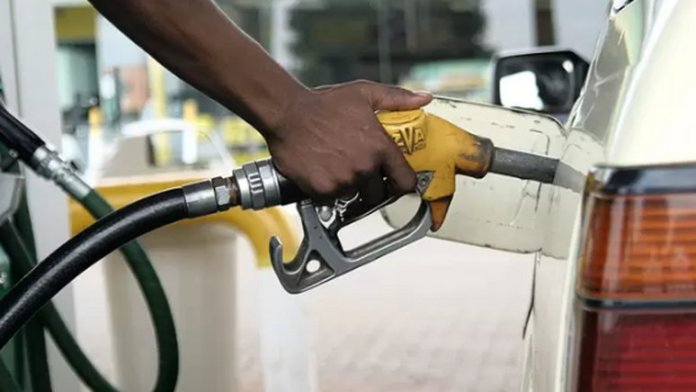
The finance minister noted that fuel taxes are common in many countries, with taxes accounting for a significant proportion of pump prices in some economies.
According to Oyedele, fuel taxes make up between 20 and 80 per cent of petroleum prices in some countries, while several African nations impose multiple levies on petroleum products.
However, he maintained that Nigeria must first achieve greater economic stability and ensure that household incomes can absorb the additional costs.
Oyedele said the government’s objective should be to grow Nigerians’ incomes faster than prices rise, rather than relying solely on measures aimed at suppressing prices.
He argued that improved purchasing power, increased prosperity and an expanding middle class should be central to the country’s economic recovery efforts.
“So, at the appropriate time, when the economy has stabilised, and income level would be able to accommodate it, then those taxes will come,” he said.
The minister added that revenue generated from the proposed taxes would be dedicated to road infrastructure and the development of fuel reserves designed to cushion the impact of future disruptions in the petroleum market.
According to him, the reserves could help moderate fuel prices when unexpected supply shocks occur.
He also explained that the proposed tax mechanism could give the government room to temporarily waive the levies during periods of market disruption, helping to ease pressure on consumers.
Oyedele Rules Out Secret Introduction
Oyedele assured Nigerians that the government would not introduce fuel taxes secretly, stressing that the applicable legal process must be followed before any such levy takes effect.
He explained that the law requires the relevant order to be published in the official gazette before the tax can become effective.
The minister said the government would make the reasons for introducing the taxes and their expected benefits clear to Nigerians.
He maintained that the policy, when eventually implemented, would be intended to support infrastructure development, strengthen fuel reserves and provide a buffer against future petroleum market shocks.
The proposed fuel taxes would come amid continuing public debate over petrol prices, household purchasing power and the wider effects of the Federal Government’s economic reforms.
For Nigerians, the central issue will be whether improved economic conditions and higher incomes materialise before the additional tax burden is introduced.