

NLNG Hosts 35 Young Oil and Gas Professionals for Decade of Gas Capacity-Building Programme

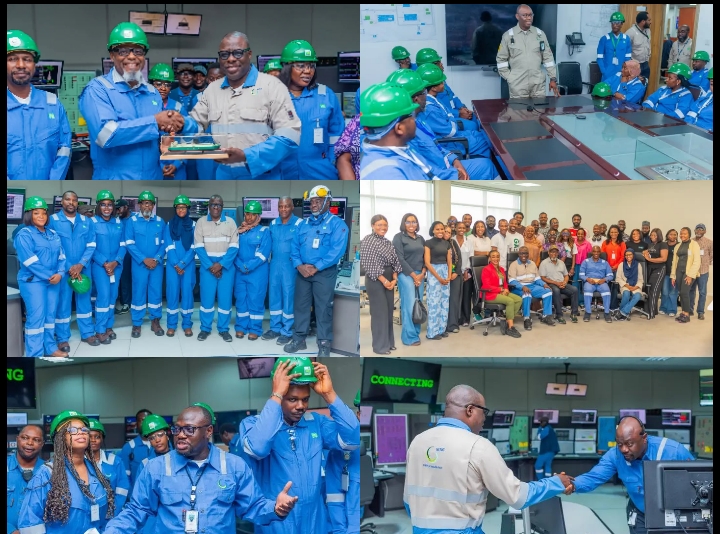
Thirty-five young professionals from Nigeria’s oil and gas industry have visited the Nigeria LNG Limited (NLNG) facility on Bonny Island, Rivers State, to gain firsthand experience of the country’s gas processing, liquefaction, storage and export operations.
The visit formed part of the Decade of Gas Capability Building Programme, an initiative aimed at developing the technical expertise and human capital required to drive Nigeria’s transition towards a gas-powered economy by 2030.

During the tour, the participants inspected NLNG’s operational facilities, including Trains 1 to 6 and the ongoing Train 7 project, gaining practical insights into the processes involved in converting natural gas into liquefied natural gas (LNG) for domestic and international markets.
The delegation was led by the Coordinating Director of the Decade of Gas Secretariat, Mr Ed Ubong, who emphasised the importance of practical industry exposure in developing the next generation of professionals for Nigeria’s gas sector.
“Our young professionals must see, touch and understand how gas is processed, liquefied, stored and exported to the world,” Ubong said.
The participants were received by NLNG’s Managing Director and Chief Executive Officer, Engr. Adeleye (Leye) Falade, FNSE, alongside members of the company’s leadership team.
The engagement provided an opportunity for the young professionals to understand the scale of Nigeria’s LNG operations, the technical requirements of gas production and processing, and the role of infrastructure in unlocking the country’s gas potential.
Capacity building is one of the seven pillars of the Decade of Gas Programme, which seeks to strengthen Nigeria’s gas industry through targeted investments in skills development, infrastructure, technology and industrial applications.
Under the programme, efforts are being made to develop more than 150 professionals with the expertise needed to support the expansion of Nigeria’s gas value chain and advance the country’s ambition of becoming a gas-powered economy by 2030.
The initiative also underscores the importance of collaboration between industry operators, government institutions and emerging professionals in building the workforce required to sustain Nigeria’s long-term gas development ambitions.
With projects such as NLNG Train 7 forming part of the country’s expanding gas infrastructure, industry stakeholders continue to highlight the need for skilled Nigerian professionals capable of supporting operations, driving innovation and strengthening the sector’s competitiveness.
Nigeria’s ambition to harness its vast natural gas resources for economic growth will depend not only on infrastructure and investment but also on developing the human capacity to manage and sustain the industry.