One Nigerian Suffers Stroke Every Minute, Neurologists Raise Alarm
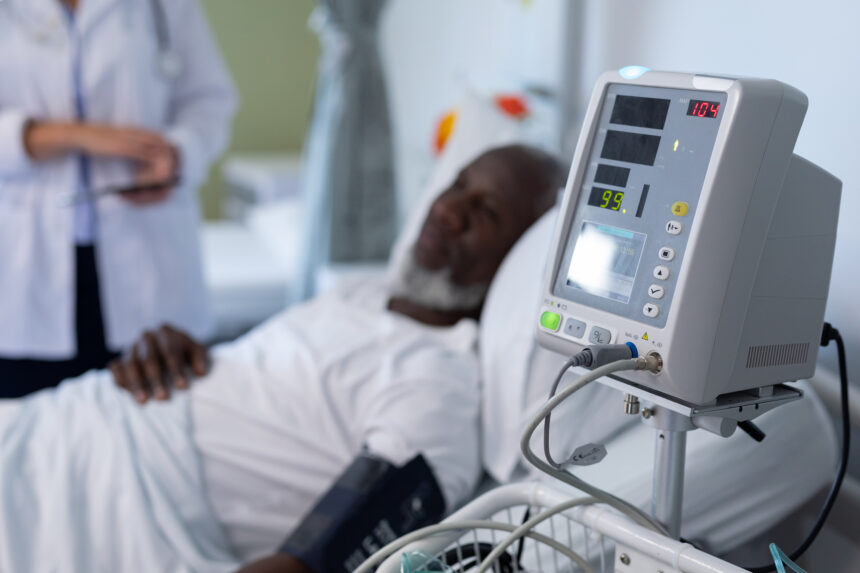
Nigeria’s leading neurologists have raised fresh concerns over the country’s growing brain health crisis, revealing that at least one Nigerian suffers a stroke every minute, as they called for urgent government intervention to strengthen neurological healthcare services.

The experts spoke ahead of the 2026 World Brain Day, observed annually on July 22 by the World Federation of Neurology under the theme, “Brain Health for All.”

They warned that stroke remains the leading neurological disorder in Nigeria, followed by dementia, epilepsy, headaches, traumatic brain injuries, neonatal encephalopathy, sleep disorders and other brain-related conditions.
According to the specialists, nearly 80 per cent of stroke cases and about 45 per cent of dementia cases are preventable through healthy lifestyles and proper management of underlying conditions such as hypertension, diabetes and high cholesterol.

Professor Mayowa Owolabi, a renowned neurologist and Precision Medicine expert at the University of Ibadan, described the situation as alarming.
“Every minute, at least one Nigerian is developing a stroke,” he said, noting that Nigeria remains inadequately prepared to tackle the burden due to shortages of specialists, poor diagnostic facilities, weak rehabilitation services and limited emergency care.
Owolabi explained that stroke, dementia, epilepsy, headaches, spinal cord disorders, nerve damage, cerebral palsy and sleep disorders constitute the country’s major neurological diseases.
He disclosed that Nigeria has only about 400 neurologists and neurosurgeons serving a population of over 250 million people, while physiotherapists, speech therapists, occupational therapists and psychotherapists are also grossly inadequate.
The professor noted that neurological disorders currently affect about 3.4 billion people worldwide, representing approximately 43 per cent of the global population, making brain diseases one of the world’s leading health challenges.
He also highlighted the enormous economic burden of neurological disorders, estimating that dementia costs the global economy about $1.3 trillion annually, while stroke accounts for another $1 trillion in losses.
Owolabi identified uncontrolled hypertension, diabetes, high cholesterol, obesity, smoking, excessive alcohol intake, unhealthy diets and sedentary lifestyles as the major drivers of stroke in Nigeria.
He urged Nigerians to embrace healthier lifestyles by consuming more fruits and green leafy vegetables, engaging in regular physical activity, avoiding smoking and excessive alcohol consumption, and undergoing routine medical screening for chronic illnesses.
The neurologist stressed that early diagnosis and prompt treatment remain critical, explaining that stroke patients should be taken to hospitals immediately because life-saving treatments such as clot-busting drugs and thrombectomy are most effective within a few hours after symptoms begin.
He also called on government to expand universal health insurance to include neurological conditions, improve public awareness, strengthen emergency response systems and increase investment in specialist training and rehabilitation services.
Similarly, Professor Ikenna Onwuekwe, Professor of Internal Medicine and Neurology at the University of Nigeria, Nsukka, said Nigeria faces a unique triple burden of neurological diseases driven by rising non-communicable diseases, post-infectious complications such as meningitis and malnutrition-related conditions.
He noted that stroke, migraine, dementia and meningitis remain major contributors to disability and death across the country.
According to him, cases of stroke among younger Nigerians are also increasing, with untreated hypertension identified as the leading cause.
Onwuekwe blamed rapid population growth, stress, smoking, alcohol abuse, environmental pollution, poor prenatal care and infectious diseases for worsening brain health in Nigeria.
He lamented the shortage of neurologists, neurosurgeons and diagnostic facilities, especially outside major cities, urging governments and private stakeholders to invest more in neurological care.
The neurologist identified five key pillars for improving brain health: awareness, prevention, advocacy, education and equitable access to diagnosis, treatment and rehabilitation.
The experts maintained that with stronger public health policies, increased awareness and healthier lifestyles, the majority of stroke cases and many other neurological disorders can be prevented, significantly reducing deaths and long-term disabilities across Nigeria.