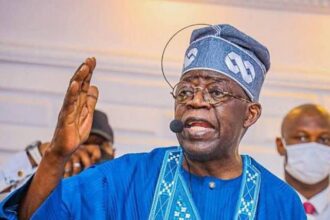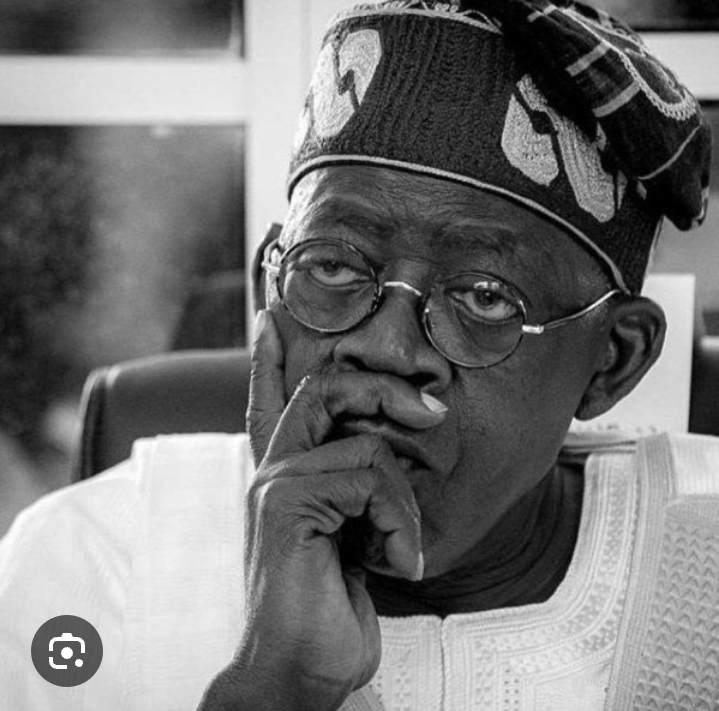

Three years after President Bola Ahmed Tinubu assumed office with the promise of “Renewed Hope,” Nigerians are increasingly asking a difficult question: hope for whom?

On May 29, 2023, President Tinubu’s administration announced the removal of fuel subsidy, a decision many economists had long considered inevitable but politically untouchable. In a single stroke, petrol prices surged from about N185 per litre to over N500. Today, Nigerians pay more than N1,200 per litre in many parts of the country.

The government also floated the naira, unified exchange rates, and embarked on ambitious fiscal reforms. From a macroeconomic perspective, these measures were presented as painful but necessary steps toward rescuing an economy burdened by distortions, unsustainable subsidies, and mounting fiscal pressures.
Yet economics is not merely about statistics. It is ultimately about people.
For millions of Nigerians, the reality of the past three years has been defined not by reform but by survival. Food prices have soared beyond the reach of ordinary households. Transportation costs have multiplied. Real incomes have shrunk dramatically. Families that once managed modestly now struggle to afford basic meals.
The figures tell a troubling story. Public debt has climbed sharply. Poverty levels have increased. Humanitarian agencies warn that tens of millions of Nigerians face food insecurity. Across communities, citizens increasingly measure economic performance not by GDP projections or investor confidence but by what they can place on their dining tables.
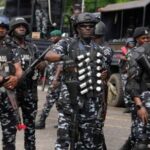
The security situation compounds the hardship. Kidnappings, banditry, and violent attacks continue to undermine public confidence. Disturbing images of abducted schoolchildren, teachers, and rural residents pleading for help have become recurring reminders of a nation still battling insecurity despite repeated assurances.
To be fair, no administration inherited Nigeria’s challenges overnight, and no government can reverse decades of structural problems within a few years. The fuel subsidy regime was costly and unsustainable. Exchange-rate reforms were necessary. Tax reforms may strengthen long-term fiscal stability. These are realities few serious analysts dispute.
However, governments are ultimately judged not only by the courage of their reforms but by their ability to cushion citizens from the consequences. Reform without relief risks becoming punishment. Economic discipline without visible social protection can easily breed public resentment.
This is where the Tinubu administration faces its greatest test. Nigerians were promised that short-term pain would lead to long-term gain. Three years later, many citizens are still waiting to see evidence that the sacrifice is yielding meaningful benefits.
The widening gap between official optimism and public frustration presents a serious challenge for governance. Confidence cannot be sustained indefinitely on promises alone. Citizens expect tangible improvements in living standards, security, employment opportunities, and access to essential services.
As the administration enters the second half of its tenure, the central question is no longer whether reforms were necessary. It is whether those reforms are delivering results that ordinary Nigerians can feel.
History may eventually judge these years as the difficult but necessary foundation of national recovery. Equally, it may remember them as a period when economic hardship overwhelmed public hope.
For now, the verdict remains unfinished. But one truth is undeniable: Nigerians are not measuring “Renewed Hope” by policy announcements. They are measuring it by the realities of daily life.
And for many, hope remains painfully expensive.
Dr Mbamalu, a Jefferson Fellow of the East-West Centre, Hawaii-United States, is a columnist and Publisher of Prime Business Africa