Taliban passes new law treating wives as the “property” or “slaves” of their husbands, legalising domestic violence

The Taliban authorities in Afghanistan have reportedly introduced a new penal code that rights groups say significantly weakens protections for women and children, raising fresh concerns about human rights in the country.

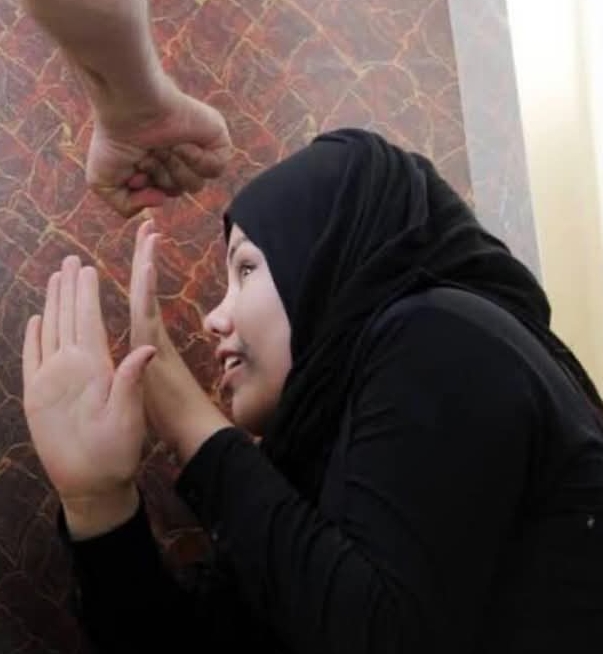
According to campaigners from the exiled Afghan human rights organisation Rawadari, the newly introduced 90-page criminal procedure code permits husbands to physically discipline their wives and children, provided the punishment does not result in “broken bones or open wounds.”

Under the provisions described by the group, a husband would face a maximum sentence of 15 days in prison in cases involving severe visible injuries. Prosecution would reportedly depend on the wife successfully proving the abuse in court — a requirement critics say presents significant legal and practical barriers.
The code also reportedly allows for a married woman to be jailed for up to three months if she visits relatives without her husband’s explicit permission.
Rights advocates argue that the new legal framework effectively removes protections previously afforded to women, including safeguards under the 2009 Elimination of Violence Against Women (EVAW) law, introduced during the former Western-backed administration before the Taliban’s return to power in 2021.
In a statement, Rawadari warned that the new provisions could legitimise “abuse, maltreatment, and punishment” of women and children, and expose them to continued domestic violence. The group also said restrictions on women’s ability to see their families would eliminate one of the few informal support systems available in a country where access to independent legal remedies is already limited.
The organisation called for the immediate suspension of the new criminal procedure code by Taliban courts and urged the international community, including the United Nations, to utilise available legal mechanisms to prevent its enforcement.
The Taliban have not publicly issued a detailed international briefing on the reported provisions, but since regaining control of Afghanistan, the authorities have imposed a series of restrictions on women’s education, employment, travel, and public life — moves that have drawn widespread condemnation from global human rights bodies.