THE NEEDS OF THE CHRISTIAN COMMUNITY IN NIGERIA:

By

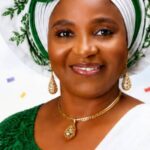
Bishop Professor Funmilayo Adesanya-Davies
Introduction:
Nigeria is one of the most religious nations in the world. Christianity has played an indispensable role in the nation’s educational development, healthcare delivery, economic advancement, peacebuilding, humanitarian service, democratic growth, and moral formation. Christian missionaries established many of Nigeria’s earliest schools, hospitals, teacher-training colleges, and universities, laying foundations that continue to benefit millions of Nigerians regardless of religious affiliation.

Despite these contributions, many Christians believe that they face numerous social, political, security, constitutional, and religious challenges. Consequently, there are increasing conversations among Christian leaders regarding justice, equality, constitutional fairness, national unity, and peaceful coexistence.
This essay explores, from the perspective of Christian concerns, what many Christians desire in Nigeria socially, politically, religiously, emotionally, economically, educationally, and constitutionally. These reflections are presented within the framework of democratic participation, peaceful dialogue, respect for the rule of law, and the constitutional rights of every Nigerian citizen.
Christians Want Security of Lives and Property:
Above every other need, Christians desire safety.
Families want to worship without fear.
Children should attend church safely.
Pastors should preach peacefully.
Communities should not experience violence because of their faith.
The first responsibility of government is the protection of lives and property. Every Nigerian deserves equal protection under the law regardless of religion or ethnicity.
Christians Want Genuine Religious Freedom:
The Constitution guarantees freedom of religion.
Christians desire the practical implementation of this constitutional guarantee.
Every Nigerian should be free to:
– worship according to conscience;
– build places of worship lawfully;
– evangelize peacefully within the law;
– change religious beliefs without coercion;
– celebrate religious festivals without intimidation.
Religious liberty strengthens democracy because freedom of conscience is a fundamental human right.
Christians Want Equal Citizenship:
Christians seek equal treatment as Nigerian citizens.
They desire appointments, promotions, scholarships, employment opportunities, admissions, and public services to be based on merit, competence, fairness, and constitutional principles rather than religious identity.
National unity is strengthened when every citizen believes that equal opportunities are available to all.
Christians Want Justice:
Justice is one of the central teachings of Scripture.
Many Christians believe that criminal acts—including attacks on places of worship, kidnapping, banditry, terrorism, and other forms of violence—should be investigated thoroughly and prosecuted fairly, regardless of the identity of the perpetrators.
Justice should neither be selective nor politicized.
Where justice prevails, peace becomes sustainable.
Christians Want Peaceful Coexistence
The Christian community generally desires peaceful relationships with Nigerians of every faith.
Peaceful coexistence requires:
– mutual respect;
– dialogue;
– tolerance;
– constitutional equality;
– rejection of religious hatred;
– responsible leadership.
Nigeria’s diversity should become a strength rather than a source of conflict.
Christians Want Good Governance:
Good governance benefits everyone.
Christians desire leaders who demonstrate:
– honesty;
– accountability;
– transparency;
– competence;
– humility;
– patriotism;
– service above self.
Corruption weakens institutions, increases poverty, and undermines public trust.
Ethical leadership promotes national development.
Christians Want Economic Opportunities:
Many Christian families struggle with unemployment, inflation, insecurity, and declining purchasing power.
They desire:
– employment opportunities;
– affordable food;
– improved electricity;
– stable fuel supply;
– support for farmers;
– access to healthcare;
– entrepreneurship opportunities;
– youth empowerment.
Economic justice contributes to social stability.
Christians Want Educational Advancement:
Christian missions historically invested heavily in education.
Many Christians desire renewed investment in:
– quality public education;
– science and technology;
– innovation;
– research;
– vocational training;
– digital literacy;
– scholarships;
– teacher development.
Education remains one of the strongest tools for national transformation.
Christians Want Moral Renewal:
Many Christians are concerned about declining moral values.
They advocate renewed emphasis on:
– honesty;
– family values;
– respect for human dignity;
– discipline;
– integrity;
– compassion;
– servant leadership.
Moral renewal begins in homes, schools, religious institutions, and public life.
Christians Want Political Participation:
Christians desire the freedom to participate fully in democratic governance.
This includes:
– voting freely;
– contesting elections;
– serving in public office;
– contributing to public policy;
– engaging in civic advocacy.
Political participation should remain peaceful, lawful, and inclusive.
Christians Want Constitutional Fairness:
Many Christian voices advocate continued national conversations about constitutional arrangements to ensure that all citizens enjoy equal rights and protections under the Constitution.
They encourage dialogue that strengthens national unity, protects religious freedom, and reinforces democratic institutions while respecting the constitutional rights of every Nigerian.
Constructive constitutional engagement should always be pursued peacefully through democratic processes.
Christians Want National Unity:
True unity cannot be imposed.
It grows through:
– justice;
– fairness;
– equal opportunity;
– inclusion;
– mutual respect;
– dialogue.
Nigeria belongs to every citizen.
Its future depends upon building trust across religious, ethnic, and regional lines.
Christians Want Emotional Healing:
Years of insecurity, economic hardship, displacement, and violence have left emotional scars on many families.
Churches increasingly provide counseling, humanitarian relief, trauma care, and community support.
Healing requires compassion, reconciliation, and hope.
A nation cannot truly prosper while many of its citizens continue to live in fear and grief.
Christians Want Youth Empowerment:
Nigeria’s Christian youth represent enormous potential.
They seek:
– quality education;
– employment;
– innovation opportunities;
– entrepreneurship support;
– digital skills;
– leadership training;
– participation in governance.
Young people should become builders of Nigeria’s future rather than victims of unemployment and insecurity.
Christians Want Women Empowerment:
Christian women continue to contribute significantly to education, healthcare, ministry, public administration, business, academia, and national development.
They desire equal opportunities to contribute their gifts and leadership within society while promoting family stability, education, and community development.
Christians Want National Reconciliation:
The future of Nigeria depends upon reconciliation.
Forgiveness must be accompanied by justice.
Dialogue must replace hatred.
Understanding must replace suspicion.
Love of neighbour must overcome prejudice.
A reconciled Nigeria will become stronger economically, politically, socially, and spiritually.
Conclusion:
The aspirations discussed in this essay reflect concerns frequently expressed within sections of Nigeria’s Christian community. At their core are desires for security, justice, equality before the law, religious freedom, good governance, economic opportunity, quality education, constitutional fairness, peaceful coexistence, and national unity.
These aspirations are not unique to Christians alone; many are shared by Nigerians of diverse faiths and backgrounds who seek a nation where every citizen can live with dignity and hope. Nigeria’s progress depends on protecting the rights of all, strengthening democratic institutions, encouraging interfaith understanding, and ensuring that every individual enjoys equal citizenship under the Constitution.
As Nigeria continues its democratic journey, may its leaders govern with wisdom, integrity, and justice. May its citizens reject violence, embrace dialogue, and work together for a peaceful, prosperous, and united nation.
May God bless the Federal Republic of Nigeria.
Bishop Professor Funmilayo Adesanya-Davies
Former Presidential Candidate
Professor of Applied Linguistics
DEDICATION
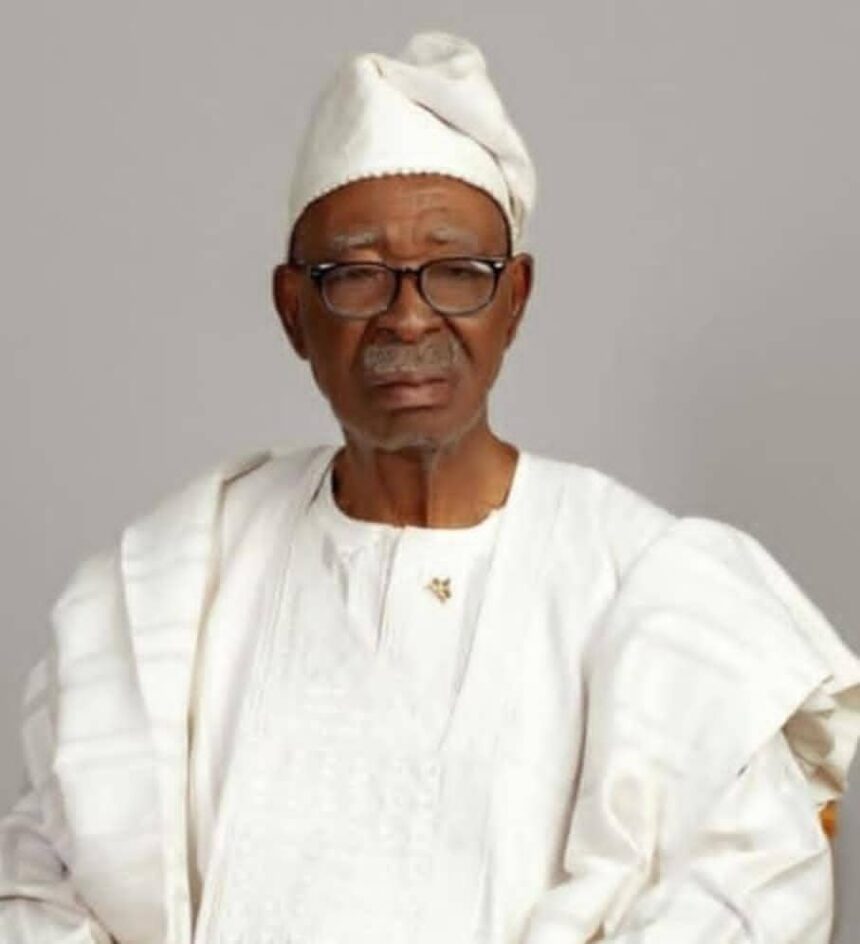
A dedication with profound respect and admiration to Pa Professor Olúṣọlá Ajolore on the celebration of his Centenary Birthday, July 24, 2026.)
This essay is lovingly dedicated to Pa Professor Olúṣọlá Ajolore, a distinguished Christian elder, scholar, mentor, statesman, and servant-leader whose century of life has been devoted to faith in Christ, integrity, scholarship, and national development.
His life remains a testimony that righteous leadership, wisdom, humility, and unwavering commitment to God’s Kingdom can transform society. May his legacy continue to inspire generations of Christian leaders in Nigeria and beyond.