The Photograph That Refuses to Be Forgotten
Some photographs do more than document history—they reveal the human stories hidden behind it.
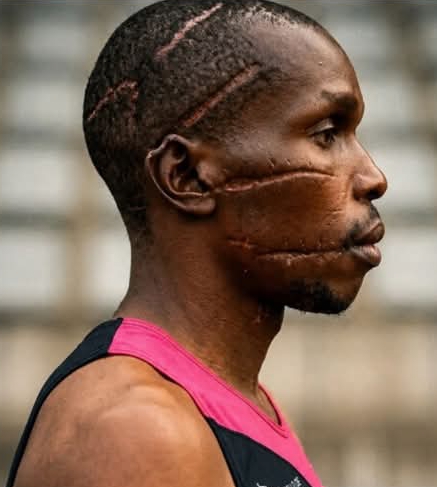
In 1994, during the Rwandan genocide, renowned photojournalist James Nachtwey captured a haunting image inside a Red Cross hospital in Nyanza, Rwanda. The photograph shows a Hutu man recovering after being brutally abused by members of the Interahamwe militia, who accused him of sympathising with Tutsi people.

Rather than dwelling on graphic details, the image communicates something more profound: the resilience of a survivor who endured unimaginable suffering and lived to tell his story.

The man’s expression reflects pain, exhaustion and vulnerability, but it also conveys strength. His presence in the photograph is a reminder that survival itself can be an act of courage.
The Rwandan genocide, which unfolded between April and July 1994, claimed the lives of approximately 800,000 people, most of them Tutsi. Many Hutu who opposed the violence were also targeted.

Behind every statistic was a human being—a person with a family, dreams, relationships and hopes for the future.
Nachtwey’s photograph therefore represents more than a moment captured by a camera. It places a human face on one of the darkest chapters of modern history and reminds us that genocide cannot be understood through numbers alone.
Decades later, the image continues to stand as a powerful reminder of the devastating consequences of hatred, division and violence. At the same time, it honours the resilience of survivors and preserves the memory of those who were lost.
Some photographs fade with time.
Others refuse to be forgotten.