Trump to raise US global tariff from 10 to 15% after Supreme Court ruling


The U.S. Supreme Court ruled on Feb. 20, 2026 that President Donald Trump’s sweeping global tariffs — implemented under a 1977 emergency powers law — were unconstitutional because they relied on the wrong legal authority. The Court said that only Congress has the power to impose broad tariffs, not the president under that law.

Trump’s response:
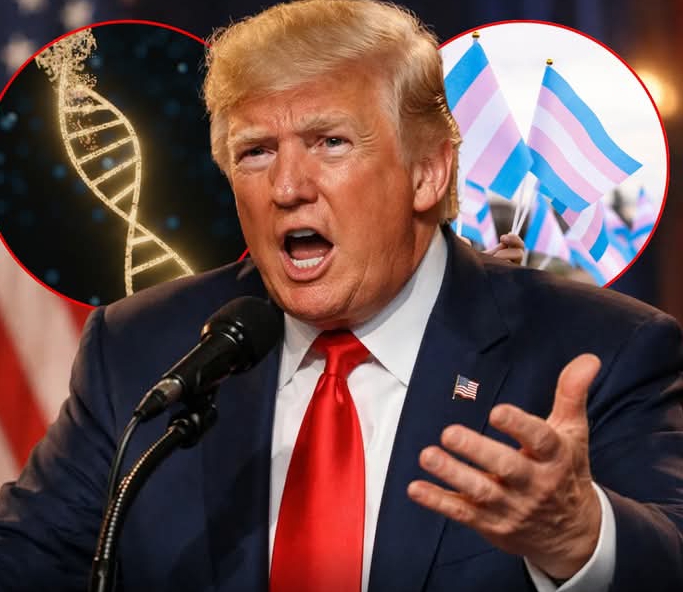
Less than 24 hours later, Trump announced he would raise the temporary global tariff rate from 10 % to 15 % — the highest level allowed under a different trade statute known as Section 122 of the Trade Act of 1974.
He said he was doing this “effective immediately” and described the court’s ruling as “poorly written” or “anti-American” in public posts.
Legal basis for the new tariffs:
Section 122 allows the president to impose temporary tariffs (up to 15 %) for up to 150 days to address serious trade or balance-of-payments issues — but it has never been used for this kind of broad, across-the-board tariff before, and it may face legal challenges.
Trump’s administration says it will also explore other tariff authorities (like Section 301 or national-security tariffs) that have narrower grounds than the emergency law struck down by the Court.
Economic and political context:
Businesses around the world — and in the U.S. — are reacting to both the court decision and Trump’s tariff escalation, with some seeking refunds for tariffs already paid under the previous system.
Economists warn the move could raise costs for U.S. consumers and increase trade tensions, while critics in Congress say the tariffs could harm economic growth ahead of election.
The Supreme Court limited the legal basis for Trump’s original tariffs, but Trump swiftly pivoted to raise the temporary global tariff rate to the maximum 15 % allowed under alternate law, aiming to maintain his tough stance on foreign trade despite the legal setback.