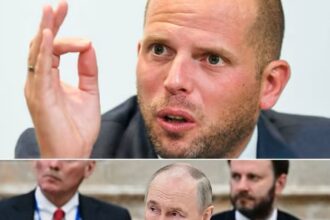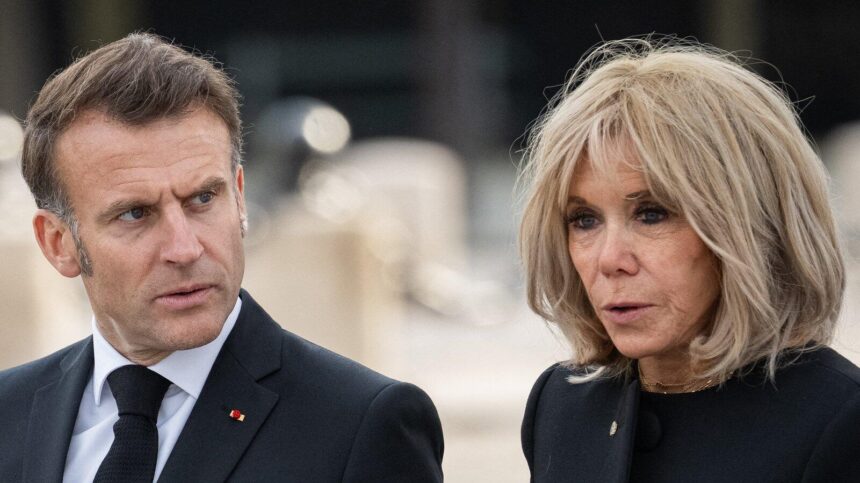
U.S.-France Tensions Rise After Trump’s Personal Attack on Macron and His Wife

U.S. President Donald Trump has intensified his criticism of French President Emmanuel Macron, deploying unusually personal rhetoric during a press briefing as diplomatic tensions between Washington and Paris deepen over security commitments in the Persian Gulf.

Speaking to reporters on Thursday, Trump took aim at Macron’s domestic standing and leadership, in remarks that marked a sharp departure from conventional diplomatic language. The comments come amid a prolonged dispute over France’s refusal to join a U.S.-backed maritime coalition aimed at securing passage through the strategically vital Strait of Hormuz.
Strategic Dispute Turns Personal
The latest remarks follow weeks of friction between the two NATO allies, with Washington pushing its “maximum pressure” strategy in response to escalating tensions linked to Iran. France, however, has maintained a more cautious approach, positioning itself as a potential mediator rather than a participant in military escalation.
Trump’s decision to inject personal criticism into the dispute signals what analysts describe as a further deterioration in what was once a publicly cordial relationship between the two leaders.
NATO Pressure and Broader Alliance Strains

The clash also reflects wider strain within the North Atlantic Treaty Organization (NATO), as the U.S. administration continues to press European allies to increase both financial contributions and operational support.
Trump has repeatedly accused European nations of benefiting disproportionately from U.S. security guarantees, often referring to them as “free riders.” His latest comments appear to single out France as resistance grows in Europe over deeper military involvement in Gulf operations.
The dispute is unfolding alongside reports of a broader U.S. review of alliance commitments, including discussions linking continued support for Ukraine to increased European engagement in other theaters.
French Response and Diplomatic Fallout
Officials at the Élysée Palace have not issued a formal public response. However, diplomatic sources indicate that French officials view the remarks as unhelpful and misaligned with ongoing efforts to de-escalate tensions in the region.
France has consistently emphasized diplomacy in addressing the crisis, warning that further militarization could destabilize global energy markets and worsen an already fragile security environment.
Global Stakes
The disagreement comes at a critical moment, with energy security concerns mounting due to instability in the Gulf. The International Energy Agency has warned of potential supply disruptions that could have far-reaching global consequences.
As allied leaders convene in London for a high-stakes summit, attention is now focused on whether the escalating rhetoric will translate into policy shifts—or deepen fractures within the Western alliance.