U.S.-Isreal VS Iran: From US Central Command to Carrier Groups: How US Spent $779m in a Day

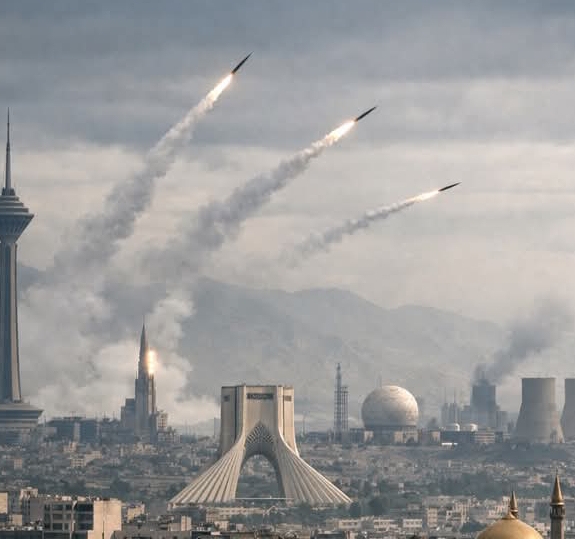
The United States spent an estimated $779 million within the first 24 hours of launching its offensive against Iran, representing roughly 0.1 per cent of the proposed 2026 US defence budget, according to estimates and data compiled by Anadolu Agency.

The massive military deployment was confirmed by US Central Command (CENTCOM), which disclosed that the opening phase of the operation involved a wide range of advanced air, naval, and ground assets.
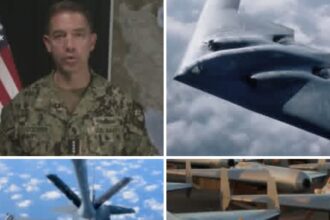
Among the aircraft deployed were B-2 Spirit stealth bombers, F-22 Raptor, F-35 Lightning II, F-16 Fighting Falcon, and F/A-18 fighter jets, alongside A-10 Thunderbolt II attack aircraft and EA-18G Growler electronic warfare planes. The operation also featured MQ-9 Reaper drones, nuclear-powered aircraft carriers, guided-missile destroyers, and advanced missile defence systems, including Patriot and THAAD batteries.

According to CENTCOM, four B-2 stealth bombers flew non-stop from Whiteman Air Force Base in Missouri to strike designated targets using 2,000-pound (907-kilogram) Joint Direct Attack Munitions (JDAMs). Known for their high maintenance demands and a payload capacity of approximately 40,000 pounds (18,143 kilograms), the B-2 missions alone accounted for an estimated $30.2 million. The figure was calculated based on flight hours, maintenance expenses, and munitions costs drawn from US Defence Department budget requests for 2025 and 2026.
The coordinated deployment of fighter aircraft — including F-18s, F-16s, F-22s, and F-35s — significantly increased operational expenses. Based on available Pentagon budget data, these sorties cost an estimated $271.34 million during the initial wave of strikes.
Specialised support aircraft also played a critical role in the operation. The EA-18G Growler, A-10C Thunderbolt II, and MQ-9 Reaper drones were deployed alongside the Low-Cost Unmanned Combat Attack System (LUCAS). Additional assets included P-8 maritime patrol aircraft, RC-135 reconnaissance planes, aerial refuelling tankers, and land-based HIMARS rocket systems. When combined with the fighter jet operations, the total estimated cost of the air and ground components reached approximately $423.57 million.
Naval forces formed another major pillar of the offensive. Two US carrier strike groups — the USS Abraham Lincoln and the USS Gerald R. Ford — were positioned in the region and actively participated in the attack. The daily operational cost of running an aircraft carrier strike group, including its escort of destroyers and littoral combat ships, is estimated at approximately $15 million.
The figures underscore the financial scale of modern high-intensity warfare, with advanced stealth platforms, precision-guided munitions, and sustained carrier operations driving costs into the hundreds of millions within a single day.
While US officials have not released an official comprehensive cost breakdown, the estimates compiled by Anadolu highlight the significant financial commitment behind the opening phase of the offensive.