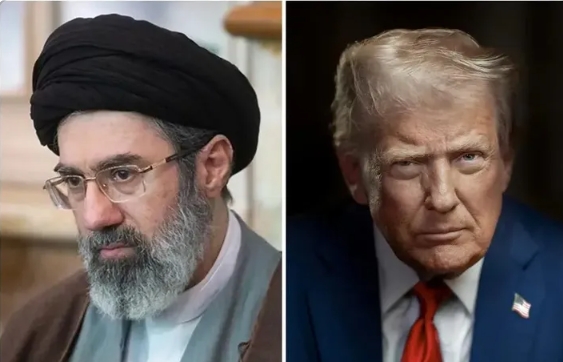
US–Iran Talks Collapse After 21 hours in Islamabad as JD Vance Warns of Consequences

High-stakes negotiations between the United States and Iran ended without a breakthrough on Sunday, as JD Vance departed Islamabad following 21 hours of intense discussions aimed at halting the escalating conflict involving the US, Israel, and Iran.

Speaking after the marathon talks, Vance confirmed that both sides failed to reach an agreement, blaming Tehran for rejecting Washington’s key conditions—particularly demands related to its nuclear program.
“The bad news is that we have not reached an agreement, and I think that’s bad news for Iran much more than it’s bad news for the United States of America,” Vance said.

He emphasised that the US position remains firm, stating that Iran must provide a clear and binding commitment not to pursue nuclear weapons or the capability to rapidly develop them. According to Vance, this remains a central objective of Donald Trump, with whom he consulted multiple times during the negotiations.
Iran Downplays Breakdown
Iranian officials struck a more measured tone, suggesting that expectations for a swift deal were unrealistic. Foreign ministry spokesperson Esmaeil Baqaei said it was never anticipated that a single round of talks would yield an agreement.
Meanwhile, Iranian state-affiliated outlets blamed what they described as “excessive” US demands for the impasse, indicating that major gaps remain between the two sides.
Fragile Ceasefire at Risk
The collapse of the talks casts uncertainty over a fragile 14-day ceasefire involving the US, Iran, and Israel. Mediators in Pakistan, led by Foreign Minister Ishaq Dar, urged all parties to uphold the truce and expressed willingness to facilitate further dialogue.
The outcome of future negotiations could prove critical not only for regional stability but also for global energy markets.
Strait of Hormuz Tensions Escalate
At the heart of the dispute is control of the Strait of Hormuz, a vital transit route through which roughly 20% of the world’s oil supply passes.
Iran has blocked the Strait since the conflict began, contributing to a surge in global oil prices. The US military says it is preparing to clear mines and restore navigation, though Iranian state media disputes claims that American warships have entered the waterway.
Deep Divisions Over Nuclear Program
The Islamabad talks marked the first direct high-level engagement between Washington and Tehran in over a decade—since the fallout from the 1979 Islamic Revolution.
Despite the historic nature of the meeting, core disagreements remain unresolved. Iran is reportedly demanding the release of frozen assets, war reparations, and greater control over the Strait of Hormuz, including the right to impose transit fees.
The US, however, continues to insist on unrestricted global shipping access and the dismantling—or severe limitation—of Iran’s nuclear enrichment capabilities.
What Comes Next
With negotiations stalled and no clear roadmap in place beyond the current ceasefire, tensions remain dangerously high. Diplomats warn that failure to reach a compromise could reignite full-scale hostilities, further destabilising the region and disrupting global energy supplies.
For now, attention turns to whether backchannel diplomacy can revive talks before the ceasefire expires.