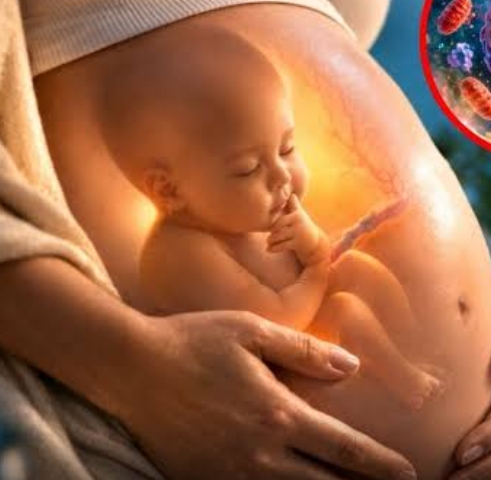
Your Mother’s Cells Remain inside your Heart and Brain Forever – Scientists Say

Scientists have continued to explore a fascinating biological phenomenon known as microchimerism, where a small number of cells can be exchanged between a mother and her baby during pregnancy and remain in the body for many years afterward.

Researchers say the process occurs naturally through the placenta, allowing cells to travel in both directions between mother and fetus during pregnancy. As a result, fetal cells may remain inside the mother long after childbirth, while maternal cells can also persist in the child’s body for decades.
Studies have detected these cells in several parts of the body, including the heart, brain, bloodstream, and other tissues, raising new questions about the long-term biological relationship between mothers and their children.
Scientists are currently investigating the role these cells may play in human health. Some researchers believe microchimerism could contribute to tissue repair, immune regulation, and cellular maintenance, while others are examining possible links to autoimmune diseases and immune system responses.
Although many aspects of the phenomenon remain under study, experts say advances in molecular biology and cell-tracking technology have significantly improved understanding of how these tiny populations of cells survive in the body over time.

The discovery has attracted global scientific interest because it suggests pregnancy may create a lasting biological connection between mother and child beyond genetics alone.
Researchers say continued studies into microchimerism could provide new insights into maternal health, fetal development, immune function, and the complexity of the human body.