Israel set up a clandestine military outpost in the Iraqi desert to support its air campaign against Iran and launched airstrikes against Iraqi troops who almost discovered it early in the war, people familiar with the matter including U.S. officials said.


According to the WSJ, in the run-up to the operation against Iran by the Israeli Defense Army, an operational base was set up in western Iraq to support evacuation groups.

The base was intended to house special units Unit 669 and, presumably, Shaldag, whose tasks included conducting search and rescue operations to locate and evacuate downed Israeli Air Force pilots.
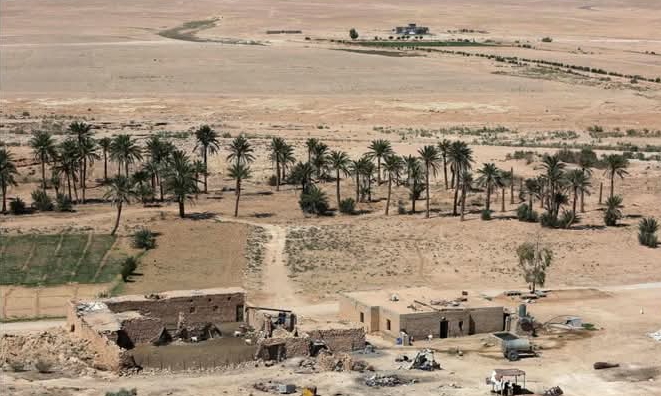
The facility, presumably located in the Najaf province, was discovered in early March by local residents after they noticed suspicious helicopter movements in a deserted area. When Iraqi military personnel attempted to approach the facility, they were attacked, resulting in one person killed and two injured.
The article notes that the facility was also involved in the logistical support of the operation against Iran, but no further details are provided.
This is the level of risk Israel is willing to take in its confrontation with Iran — secretly operating military facilities deep inside another sovereign country, gambling that the mission is worth the possibility of regional escalation. It shows how far Israeli planners are prepared to go to maintain operational reach against Iran, even if it means opening another dangerous front inside Iraq.
The operation also exposes a brutal reality of modern Middle Eastern warfare: borders increasingly mean little when intelligence networks, drones, covert units, and airpower are involved. Iraq once again finds itself trapped in the middle of a shadow war between larger regional powers, while ordinary Iraqis pay the price for battles they did not choose.
At the same time, the incident demonstrates the enormous logistical pressure behind any sustained air war against Iran. Israel was not only planning strikes — it was preparing for the possibility of losing pilots deep inside hostile territory and needing rapid extraction teams on standby. That alone reveals how seriously Israeli leadership viewed the risks of escalation and potential combat losses.