Cancer deaths in Nollywood expose Nigeria’s deepening health crisis — Doctor
By NewsMediaNG
The recent deaths and health battles involving several Nollywood actors have once again drawn attention to the growing cancer burden in Nigeria, with a physician warning that the experiences of celebrities mirror challenges faced by thousands of ordinary Nigerians.

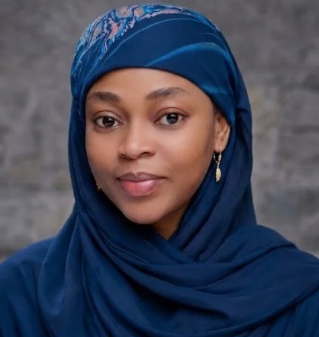
Physician and public health advocate, Dr Zainab Suleiman Buhari, said the cancer-related deaths of veteran actor Taiwo Hassan, popularly known as Ogogo, actress Atinuke Remilekun Kareem and actress and producer Tope Osoba had highlighted major weaknesses in Nigeria’s cancer-care system.

According to her, late diagnosis, the high cost of treatment and inadequate access to specialist care remain some of the biggest obstacles confronting cancer patients across the country.
Buhari made the observations in a special report on cancer in Nigeria, stressing that the disease was affecting Nigerians across different social and economic backgrounds.

She noted that many patients delay seeking medical attention because of fear, cost, stigma or reliance on unverified alternative remedies.
She added that delays could also occur within the healthcare system due to limited screening services, misdiagnosis and long waiting periods for biopsies and scans.
The physician said such delays often mean that patients eventually reach oncology specialists when the disease has already progressed significantly.
Tope Osoba’s experience
Buhari cited the experience of late Nollywood actress Tope Osoba as an example of the dangers associated with delayed or missed diagnosis.
Osoba, who died at the age of 40 after battling breast cancer, had reportedly disclosed that she discovered a lump in her breast during a self-examination.
According to reports, the lump was initially attributed to changes associated with childbearing, but Osoba insisted on further medical tests which eventually confirmed that it was cancerous.
She later underwent surgery and publicly appealed for assistance to continue her treatment, highlighting the financial burden that cancer care can place on patients and their families.
Ogogo’s cancer battle
The case of veteran actor Taiwo Hassan, popularly known as Ogogo, has also generated widespread concern.
His family previously sought urgent medical guidance as the actor battled advanced cancer, with colleagues calling for recommendations for specialists and treatment centres capable of reviewing his medical condition.
A separate medical expert, Dr Olusina Ajidahun, had cautioned against interpreting a stage-four cancer diagnosis as meaning that hospitals had simply abandoned a patient, stressing the complexity of advanced cancer treatment.
Another Nigerian doctor and health educator, Aproko Doctor, also warned that some cancers could develop quietly and produce symptoms that may initially be mistaken for ordinary ailments.
The cost of staying alive
Buhari said the financial burden of cancer treatment was another major challenge confronting Nigerians.
She explained that cancer treatment could involve surgery, chemotherapy, radiotherapy, targeted therapies and supportive care, with the combined cost potentially running into millions of naira.
The financial pressure has been visible in several public appeals by Nollywood figures.
In July, actress Cynthia Anijekwu disclosed that she was battling cancer for the second time after an earlier diagnosis and treatment in 2023.
She said the cancer had returned and spread to her bones, while her ongoing treatment was costing about ₦600,000 monthly.
For many Nigerians without comprehensive health insurance or sufficient savings, such costs can make prolonged treatment extremely difficult.
Nigeria’s cancer burden
Buhari cited GLOBOCAN 2022 estimates which put Nigeria’s annual cancer burden at approximately 127,763 new cases and 79,542 deaths.
Breast, cervical, prostate and colorectal cancers are among the major cancers affecting Nigerians, according to the figures cited by the physician.
She stressed that the problem went far beyond Nollywood, noting that thousands of Nigerians were battling cancer without the public attention attracted by celebrity cases.
“Cancer often develops silently,” she warned, underscoring the importance of awareness, screening and early diagnosis.
Warning signs Nigerians should not ignore
Buhari urged Nigerians to seek medical attention whenever they notice persistent or unusual changes in their bodies rather than relying solely on self-medication or unverified remedies.
Among the warning signs she highlighted were persistent lumps in the breast, armpit, neck or groin; unexplained bleeding; persistent cough or hoarseness; changes in bowel or bladder habits; and unexplained weight loss.
She stressed that experiencing such symptoms does not automatically mean a person has cancer, but persistent or unusual symptoms should be medically evaluated.
Call for stronger cancer-care system
The physician called on governments at all levels to increase investment in cancer-care infrastructure, including radiotherapy machines, pathology laboratories, diagnostic facilities and access to essential cancer medicines.
She also advocated broader health-insurance coverage and stronger primary healthcare services to help frontline health workers recognise warning signs and make timely referrals.
According to her, private organisations, NGOs and the media can complement government efforts through screening programmes, public awareness campaigns and health education, including information disseminated in local languages.
Buhari further called for stronger efforts to tackle cancer-related stigma, noting that some Nigerians still associate the disease with spiritual causes or regard a cancer diagnosis as an automatic death sentence.
The recent experiences of Nollywood actors, she said, should therefore serve as more than moments of mourning.
They should become a wake-up call for Nigeria to prioritise early detection, affordable treatment, specialist care and stronger cancer infrastructure.
For Buhari, the deaths and struggles within Nollywood are only the visible face of a much larger national problem — one affecting families across Nigeria every day.