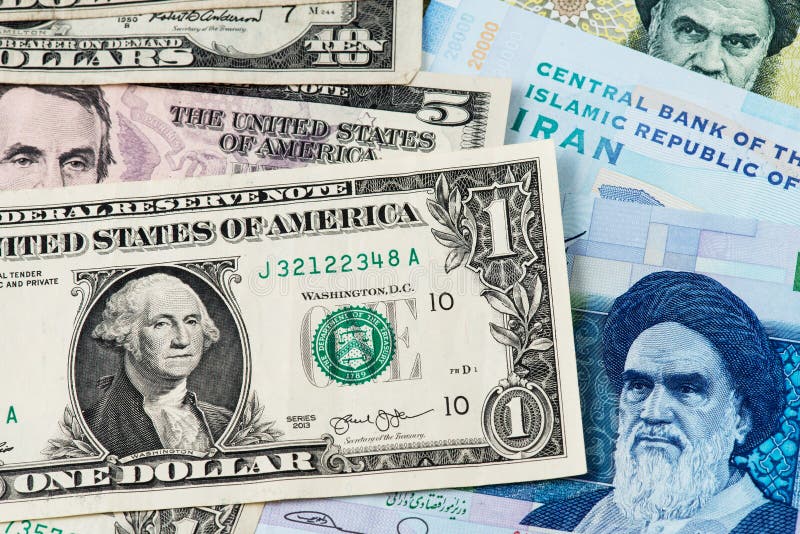
Iran’s Currency Crashes Past 2 Million Per Dollar, Hits Record Low

Iran’s national currency, the rial, has fallen to a new historic low, trading at more than 2 million rials to the US dollar on the country’s free market, according to currency-tracking websites.

The latest plunge represents another major setback for the Iranian economy, with the rial continuing to lose value amid severe economic pressures, high inflation, international sanctions and uncertainty surrounding the country’s relations with the United States and Israel.

The currency reportedly weakened to about 2.02 million rials per US dollar, crossing the psychologically significant 2-million mark for the first time.
The development has raised fresh concerns over the rising cost of living in Iran, particularly as the weakening currency makes imported goods, medicines, raw materials and other dollar-denominated products more expensive.
Iran operates multiple exchange rates, meaning the free-market rate differs significantly from rates set or managed by the country’s authorities. The free-market rate, however, provides a widely watched indicator of pressure on the rial and the broader economy.
The latest depreciation comes as Iran continues to grapple with the effects of years of US sanctions, restricted access to international financial markets, inflation and difficulties surrounding foreign-exchange earnings.
The pressure on the rial has also intensified amid heightened geopolitical tensions involving Iran, the United States and Israel.
US officials have continued to signal tougher economic measures against Tehran, raising concerns among investors and traders about the potential impact of additional sanctions on Iran’s oil exports, foreign-exchange revenues and access to international markets.
The continued decline of the rial has significant consequences for ordinary Iranians. A weaker currency reduces purchasing power and increases the rial cost of goods and services linked directly or indirectly to foreign currencies.
Businesses that depend on imported machinery, components or raw materials are also exposed to higher operating costs, while households face further pressure as prices rise.
The latest fall therefore represents more than a currency-market development. It underscores the depth of the economic challenges confronting Iran and the difficulty authorities face in stabilising the rial amid persistent domestic and international pressures.
For many Iranians, the exchange rate has become an important barometer of economic confidence, with sharp movements in the value of the rial often feeding into expectations about inflation and future prices.
The crossing of the 2-million-rial-per-dollar threshold is consequently being viewed as another significant milestone in the currency’s prolonged decline.
Unless authorities are able to restore confidence, improve access to foreign currency and ease the economic pressures affecting the country, analysts and market participants are likely to continue watching the rial closely for further signs of weakness.