NCDMB, NCCF Strategic Retreat Highlights $8bn Annual Retention, 50,000 Jobs in Oil and Gas Sector

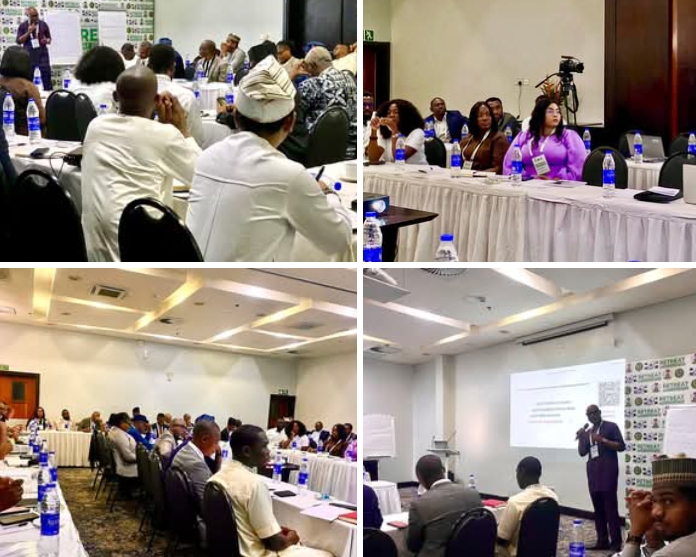
The Nigerian Content Development and Monitoring Board (NCDMB), in collaboration with the Nigerian Content Consultative Forum (NCCF), on Monday convened a strategic retreat aimed at strengthening Nigeria’s local content framework and charting a sustainable future for the oil and gas industry.

The retreat brought together key industry stakeholders, policymakers, and operators to review progress made so far, evaluate existing challenges, and develop actionable strategies to accelerate growth across the sector.
Central to discussions was the impact of the Nigerian Oil and Gas Industry Content Development Act (NOGICD Act), widely regarded as the cornerstone of Nigeria’s local content policy. Since its enactment in 2010, local content has surged from just 5 percent to 56 percent as of 2024, with projections set at 70 percent by 2027.

Participants highlighted significant gains recorded under the policy, including the growth of Nigerian ownership of oil and gas marine vessels from 5 percent to 40 percent. The initiative has also led to the creation of over 50,000 direct jobs within the last 11 years, while helping the country retain an estimated $8 billion annually that would have otherwise been lost to capital flight.
Further boosting the sector are key interventions such as a $50 million research and development fund, the establishment of modular refineries, development of floating production storage and offloading (FPSO) infrastructure, and the creation of oil and gas parks. Improved access to financing through the Nigerian Content Intervention Fund (NCIFund) was also cited as a critical enabler for indigenous participation.
Stakeholders also acknowledged the role of the Petroleum Industry Act (PIA) in strengthening governance, enhancing regulatory clarity, and promoting increased participation of local players across the oil and gas value chain.
Despite the progress recorded, participants stressed the need for improved enforcement of local content policies, greater transparency, and robust performance tracking mechanisms. They also called for stronger alignment between local content implementation and Nigeria’s broader industrialisation agenda.
Particular emphasis was placed on advancing technology transfer, building local manufacturing capacity, and ensuring that Nigerians play a more dominant role in critical segments of the industry.
The retreat ended with a renewed commitment by stakeholders to deepen local participation, strengthen institutional frameworks, and sustain growth in Nigeria’s oil and gas sector, positioning it as a key driver of economic development.