No Kings’ Movement Mobilises Millions in Nationwide Anti-Trump Protests Across US 50 States


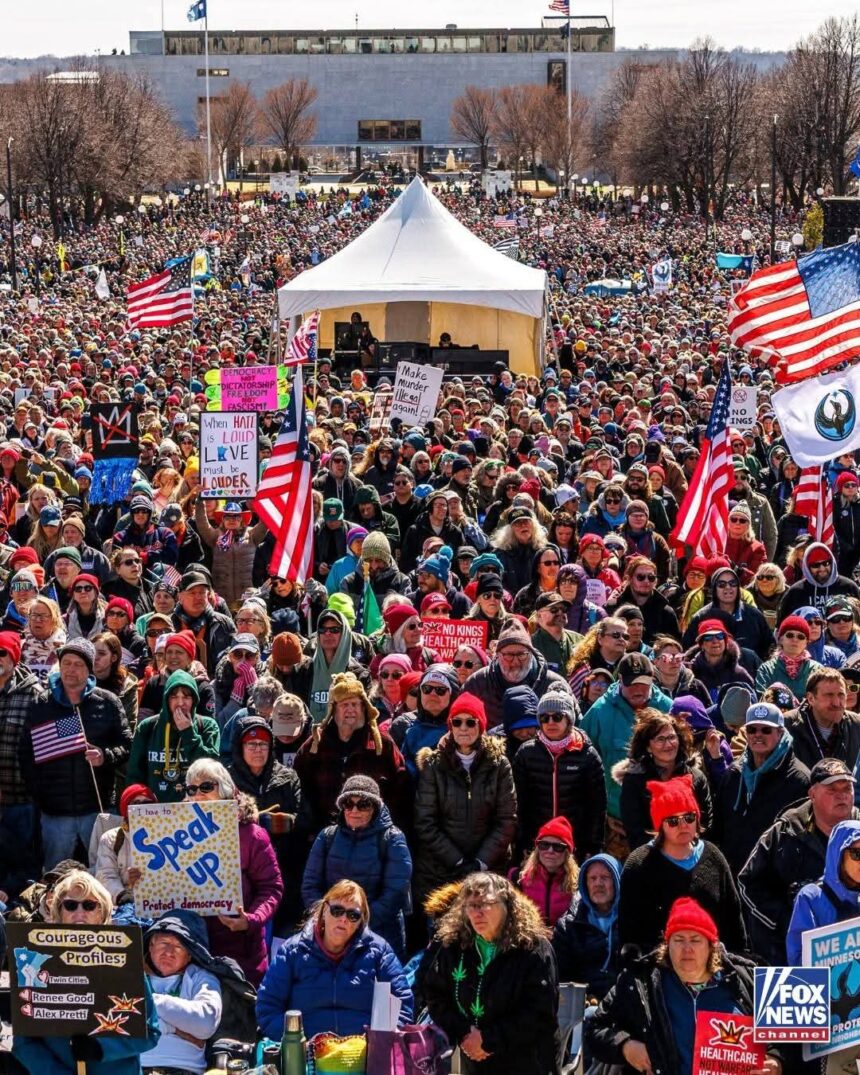
Millions of Americans poured into the streets across the United States on Saturday in a sweeping wave of protests against President Donald Trump, marking what organisers describe as one of the largest coordinated demonstrations in the country’s history.

The protests, staged under the banner “No Kings,” took place in all 50 states, with more than 3,000 rallies recorded nationwide. Demonstrators gathered in major cities including New York, Washington, D.C., Los Angeles and Philadelphia, as well as in smaller towns, signalling a broad and geographically diverse mobilisation.
Organisers estimate that between eight and nine million people participated in the demonstrations, reflecting mounting public discontent over a range of issues tied to the Trump administration.
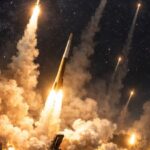
Protesters voiced strong opposition to the administration’s foreign policy, particularly the ongoing U.S. military actions involving Iran, as well as immigration enforcement policies that have drawn widespread criticism. Many also cited economic hardship, rising living costs and concerns about what they described as an erosion of democratic norms.
Placards and chants at rallies frequently invoked themes of democracy and accountability, with protesters warning against what they see as increasing authoritarian tendencies in government.
While the majority of demonstrations remained peaceful, authorities reported isolated incidents of unrest in some cities, including minor clashes between protesters and law enforcement, as well as a number of arrests. Counter-protests were also observed in certain locations, highlighting the deep political divisions within the country.
The “No Kings” demonstrations are the latest in a series of protests that have intensified over the past year, evolving into a sustained movement against the administration’s policies and leadership style.
Political analysts say the scale and spread of the protests underscore a significant moment in the nation’s civic landscape, with implications for governance, public sentiment and the broader political climate in the months ahead.