Trump at 80: Great Statesman or Global Disruptor? How Allies, Rivals and Critics View Him


NewsMediaNG Editorial.

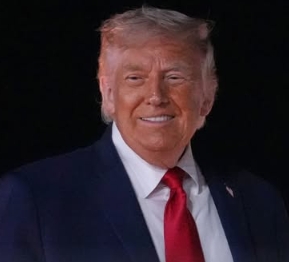
As United States President Donald Trump turns 80, debates about his leadership extend far beyond America’s borders. Few modern leaders have generated such sharply contrasting views internationally. To some, Trump is a pragmatic nationalist who challenged outdated alliances and put his country’s interests first. To others, he is a disruptive force whose approach weakened international cooperation and unsettled long-standing diplomatic relationships.
Trump’s foreign policy was built around the principle of “America First.” Unlike many of his predecessors, he openly questioned the value of international agreements, criticized allies for what he viewed as unfair burdens on the United States, and sought to renegotiate arrangements he believed disadvantaged American workers and businesses.
Supporters argue that this approach forced allies to take greater responsibility for their own security and compelled trading partners to address longstanding imbalances. They point to his pressure on members of the the North Atlantic Treaty Organization to increase defense spending, his tougher stance on China, and diplomatic breakthroughs such as the Abraham Accords, which helped normalize relations between Israel and several Arab states.
Critics, however, contend that Trump’s policies often strained alliances that had underpinned global stability for decades. European leaders frequently expressed concern over his skepticism toward multilateral institutions, while some Asian allies questioned America’s long-term commitment to regional security. Critics argue that unpredictability became a defining feature of U.S. foreign policy during his tenure, creating uncertainty among both allies and adversaries.
Around the world, perceptions of Trump vary significantly. In some countries, particularly among conservative and nationalist movements, he is admired for challenging political correctness, prioritizing national sovereignty, and resisting globalist policies. In others, he is viewed as a polarizing figure whose rhetoric and policies deepened international divisions.
Trump’s approach also reshaped how many nations view the United States itself. For decades, American foreign policy emphasized leadership through alliances, international institutions, and collective action. Trump’s presidency introduced a more transactional style, where relationships were often evaluated through the lens of immediate national interests rather than long-term strategic commitments.
The lasting impact of that shift remains a subject of intense debate. Supporters believe it made America stronger and more respected by demonstrating resolve and independence. Critics argue it reduced U.S. influence by undermining trust among allies and weakening America’s traditional role as a champion of the international order.
At 80, Trump’s foreign policy legacy remains one of the most consequential and contested aspects of his political career. Whether history judges his approach as a necessary correction to an outdated system or a departure from effective global leadership will depend on how future events unfold.
What is certain is that Trump changed the conversation about America’s role in the world. His influence continues to shape debates over national sovereignty, alliances, trade, security, and the balance between domestic priorities and international responsibilities.
In the United States
A few political figures in modern history have inspired as much admiration, controversy, and division. To his supporters, Trump remains a transformational leader who challenged political orthodoxy, revived economic nationalism, and reshaped American politics. To his critics, he represents a dangerous strain of populism that tested democratic institutions and concentrated power around his personality.
The debate over Trump’s legacy is not merely about age or longevity in politics. It is about the nature of leadership itself and what citizens expect from those entrusted with power.
Trump’s supporters point to his willingness to confront entrenched political interests, challenge global trade arrangements, tighten immigration policies, and project an image of strength on the international stage. They argue that his “America First” agenda resonated with millions of voters who felt ignored by traditional political elites. Even after leaving office and returning to the White House, his influence over the Republican Party remained unmatched, demonstrating a level of political resilience rarely seen in American history.
Critics, however, argue that Trump’s leadership style often blurred the lines between democratic governance and personal authority. They cite his repeated attacks on political opponents, the media, electoral institutions, and sections of the judiciary as evidence of a tendency toward authoritarian politics. For many observers, the events surrounding the 2020 election and its aftermath intensified concerns about respect for democratic norms and the peaceful transfer of power.
Yet describing Trump simply as either a great leader or a dictator oversimplifies a far more complex reality. Great leaders often challenge established systems and disrupt the status quo. At the same time, democratic societies must remain vigilant whenever power becomes excessively personalized or institutions appear subordinate to individual ambition.
History offers numerous examples of leaders who were celebrated by millions while simultaneously raising concerns among critics. The true measure of leadership is not merely popularity or electoral success but the lasting impact on institutions, national unity, economic prosperity, and democratic values.
At 80, Trump’s place in history remains a work in progress. His supporters see a leader who restored confidence among forgotten voters and redefined conservative politics. His opponents see a figure whose approach to power strained democratic traditions and deepened national divisions.
The answer to whether Trump is a great leader or a would-be dictator ultimately depends on one’s interpretation of his record and the values one prioritizes. What is beyond dispute is that few leaders have left such a profound imprint on American politics. Long after the celebrations of his 80th birthday fade, the debate over Donald Trump’s legacy will continue to shape political discourse in the United States and beyond.