Veteran Nollywood Actress Victoria Inyama Calls Female Circumcision ‘The Best Thing That Ever Happened To Me’
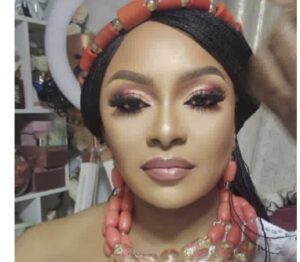
Veteran Nollywood actress Victoria Inyama has ignited widespread controversy after describing her experience with Female Genital Mutilation (FGM) as “the best thing” that ever happened to her.


The actress made the remarks during an Instagram Live conversation with media personality Daddy Freeze on Tuesday, where she spoke candidly about undergoing the procedure at the age of five.

While acknowledging that FGM is widely regarded as harmful, Inyama said she believes the experience has contributed to her personal discipline, particularly in managing her sexual behavior.
“FGM is evil. You now have to deal with the consequences. I was circumcised because I grew up with my grandmother in the village. That’s the best thing that they did for me because it is helping me a lot,” she said.
She further suggested that the procedure has given her a level of self-control she values, adding that it has shaped her personal choices and lifestyle.
Inyama also recounted the traumatic nature of the experience but maintained that, in her view, it ultimately had a positive impact on her life.
PUBLIC REACTION
Her comments have since triggered intense reactions across social media, with many users criticising the remarks as potentially endorsing a practice widely condemned by global health authorities and human rights organisations.
Critics argue that such statements risk normalising FGM, particularly in communities where efforts are ongoing to eliminate the practice.
HEALTH AND HUMAN RIGHTS PERSPECTIVE
According to the World Health Organization (WHO), FGM involves the partial or total removal of external female genitalia for non-medical reasons and carries no health benefits.
Medical experts warn that the procedure can lead to severe physical and psychological consequences, including infections, chronic pain, complications during childbirth, and long-term trauma.
The United Nations classifies FGM as a violation of the human rights of girls and women and has consistently called for its global eradication.
BROADER CONTEXT
FGM remains a deeply rooted cultural practice in some parts of Africa, including Nigeria, despite increasing awareness campaigns and legal measures aimed at ending it.
Advocacy groups continue to stress the importance of education and community engagement in addressing the social norms that sustain the practice.
While Inyama’s remarks reflect her personal interpretation of her experience, they have reopened a broader conversation about FGM, its impacts, and the challenges of balancing individual narratives with established medical and human rights positions.