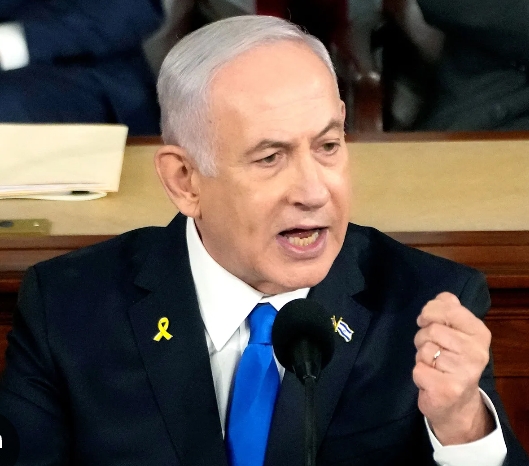
Israeli Prime Minister Benjamin Netanyahu has told Iranians that political change in the country is only a matter of time, declaring that “the power of the people will overcome the people in power.”

Netanyahu made the remarks on Thursday during his address to the United Nations General Assembly, where he directly addressed the Iranian people while also defending Israel’s confrontation with Tehran.

“I want to give you the good news,” Netanyahu said. “It’s only a matter of time that in Iran something incredible will happen. The power of the people will overcome the people in power.”
The Israeli prime minister also criticised UN delegates who walked out of the chamber during his speech, as well as protesters demonstrating outside the UN headquarters.

Netanyahu accused his critics of remaining silent over what he described as Tehran’s crackdown on dissent and alleged abuses against Iranian civilians.
“Where were you when the Iranian tyrants butchered and maimed tens of thousands of unarmed Iranian civilians?” he asked.
He also accused the Iranian authorities and their critics of failing to adequately address what he described as the persecution of Christians in Iran and other parts of the Middle East.
Netanyahu Displays Starlink Device
During the address, Netanyahu also held up a Starlink satellite internet device, using it to make a broader point about access to information in Iran.
He accused Tehran of fearing that Iranians could gain access to uncensored information and said he would leave the Starlink device for Iran’s delegation.
The gesture underscored Netanyahu’s continuing effort to communicate directly with Iranians over the heads of the country’s leadership, particularly on issues surrounding internet access, freedom of information and political dissent.
Netanyahu’s comments came as his UN appearance drew both support and opposition, with some delegates leaving the General Assembly chamber during his speech while demonstrations were held outside the United Nations.
His remarks about political change in Iran represent a direct political message to the Iranian public, while his criticism of the walkout reflects the continuing diplomatic tensions surrounding Israel, Iran and the wider Middle East conflict.