Wives of Retired Oil Company Employees As Permanent Beneficiaries of Medical Benefits at Retirement
_A Case Study By Professor Funmilayo Adesanya-Davies_

Introduction
Corporate medical benefits are designed as part of compensation. In Nigeria’s oil industry, they are also treated as a social contract: the company cares for the worker and, by extension, their family during service. The debate becomes more complex at retirement, and even more so when we add the condition: “even if the husband later divorces and re-marries.”

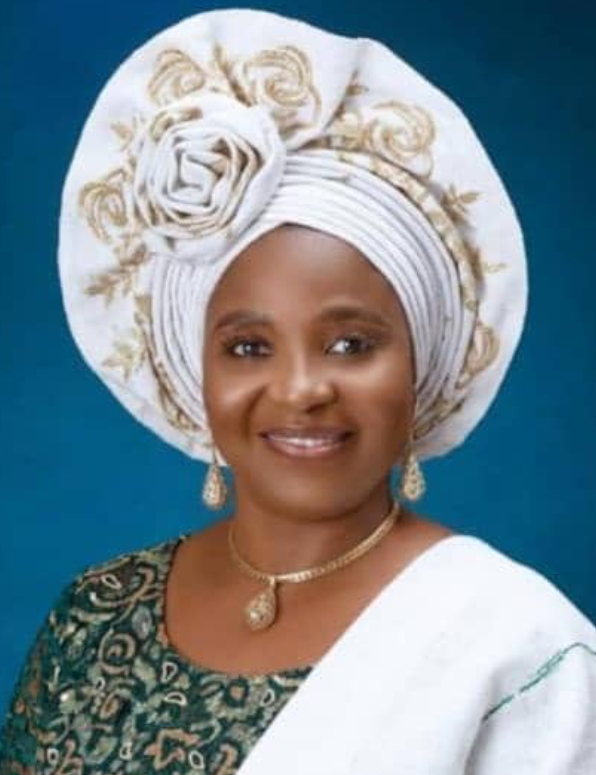
Professor Funmilayo Adesanya-Davies, former Presidential Candidate, a public affairs analyst and gender advocate, has consistently argued that wives of long-serving oil workers deserve lifelong health protection because their labor underpins the employee’s career.
This essay critiques her position in light of the divorce and remarriage clause, examining equity, legal precedent, financial viability, and policy coherence.

The Core Proposal:
The argument, as advanced by Professor Adesanya-Davies, is that a wife who spent 20-30 years supporting a husband in the oil sector should not lose medical coverage at retirement simply because the marriage ends later. She frames it as “deferred compensation” for domestic labor, relocation sacrifices, and emotional support during hazardous postings.
Adding “even after divorce and remarriage” extends the claim: the benefit attaches to the years of service rendered, not to the current marital status.
Arguments in Support
1. *Recognition of Historic Contribution*
In many cases cited by Prof. Adesanya-Davies, wives relocated multiple times, raised children alone during offshore rotations, and managed health emergencies without independent income. From this view, the benefit is earned during the marriage, so divorce should not retroactively erase it.
2. *Protection of Vulnerable Elderly Women*
Divorce in later life often leaves women with limited earning capacity and no separate pension. Medical costs spike at the same time. Permanent coverage would prevent elderly women from becoming destitute due to health shocks.
3. *Precedent in Pension Law*
Some pension schemes allow ex-spouses to claim a portion of benefits if the marriage lasted a minimum number of years. Extending this logic to medical benefits creates consistency.
Arguments Against and Critical Concerns
1. *The Problem of Indefinite Liability*
If benefits follow an ex-wife for life, and then also extend to a new wife, one retiree could generate two or more lifetime medical liabilities. For an oil company with thousands of retirees, actuarial costs become unpredictable. This threatens the sustainability of benefits for active staff.
2. *Legal and Administrative Nightmares*
Questions multiply: How long must the marriage have lasted to qualify? What about separation without legal divorce? What if the ex-wife remarries someone with their own insurance? Who verifies status annually? Companies are not family courts. Administering this would require documentation, disputes, and constant monitoring.
3. *Equity to New Spouses and Other Dependents*
If an ex-wife retains benefits after remarriage, what claim does the new wife have? Does the company now cover two spouses? That creates a hierarchy where the first marriage is privileged over the second, which itself raises fairness and gender questions.
4. *Moral Hazard*
Tying benefits to past marriage, regardless of current status, could incentivize strategic behavior and litigation. It also shifts responsibility away from the state. Health security should be a citizenship right, not a lifetime corporate debt tied to one past employment.
Case Study Lens: Professor Funmilayo Adesanya-Davies
Prof. Adesanya-Davies often grounds her argument in real stories: A woman who nursed a husband through job stress for 28 years, only to be dropped from the HMO after divorce at age 65 with no income and a chronic illness. That would be so unfair.
Her strength is in humanizing policy. She forces companies and unions to ask: “What happens to the people behind the personnel file?”
However, the critique of her position is that it solves an individual injustice with a structural tool that doesn’t scale. By insisting on “permanent” and “even after remarriage,” the proposal ignores funding sources, eligibility rules, and the risk of creating new inequities. It also does not address why Nigeria lacks a universal health coverage system that would make this debate unnecessary.
A more policy-coherent version of her advocacy would push for:
1. *Service-based vesting*: e.g., 25+ years of marriage during active service qualifies an ex-spouse for 10 years of post-retirement coverage, not lifetime.
2. *Portability*: Convert a portion of retirement benefits into a health credit the ex-spouse can use in NHIS.
3. *One-beneficiary rule*: At any time, only one spouse can be covered under the retiree plan.
Synthesis and Critique
The moral impulse behind Prof. Adesanya-Davies’ case is valid. Too many women give decades to a career and are left unprotected. Dismissing that is not only unjust but UNGODLY.
Making ex-wives at retirement permanent beneficiaries after divorce and remarriage should be sustainable as a corporate policy. The children are already dropped
It mixes gratitude with contract, and charity with entitlement. It also places oil companies in the role of a permanent welfare state, which they are not designed to be. It’s the new wife after retirement that must calm down. No need to insist to reap where one did not sow.
The better critique is this: Yes, we must protect long-serving spouses, and we must do it to protect their time-limited, vested, and transferable benefits, with open-ended lifetime coverage that survives divorce and re-marriage if it occurs by chance. That protects dignity, love, health and life without breaking the system.
Conclusion
“Should wives become permanent beneficiaries even after divorce and remarriage?” Based on equity, yes, some protection is owed. Based on policy design and financial reality, with procedures, not in not with sudden unilateral decision and no notice. Let God be God and let man be man.
Professor Funmilayo Adesanya-Davies has done important work in putting this hidden problem on the table. The next step is to translate that moral claim into a workable policy: one that honors past contribution, protects vulnerable women, and still allows Oil Companies to function and the state to take responsibility for universal health.
The goal should not be to make one company responsible forever. The goal should be to ensure no woman is punished in old age for the work she did to support Nigeria’s oil industry.
No wonder the Holy Bible says, “He made them two in the beginning.”
Dedication: To my parents, the world BEST MUM AND DAD. They were buried next to each other after their demise. NO STORIES! JESUS CHRIST IS LORD!
Prof Funmilayo Adesanya-Davies
Professor of Applied Linguistics
ENGLSH HOUSE
Department of English
Faculty of Humanities Ignatius Ajuru University of Education Port Harcourt Rivers State
Nigeria